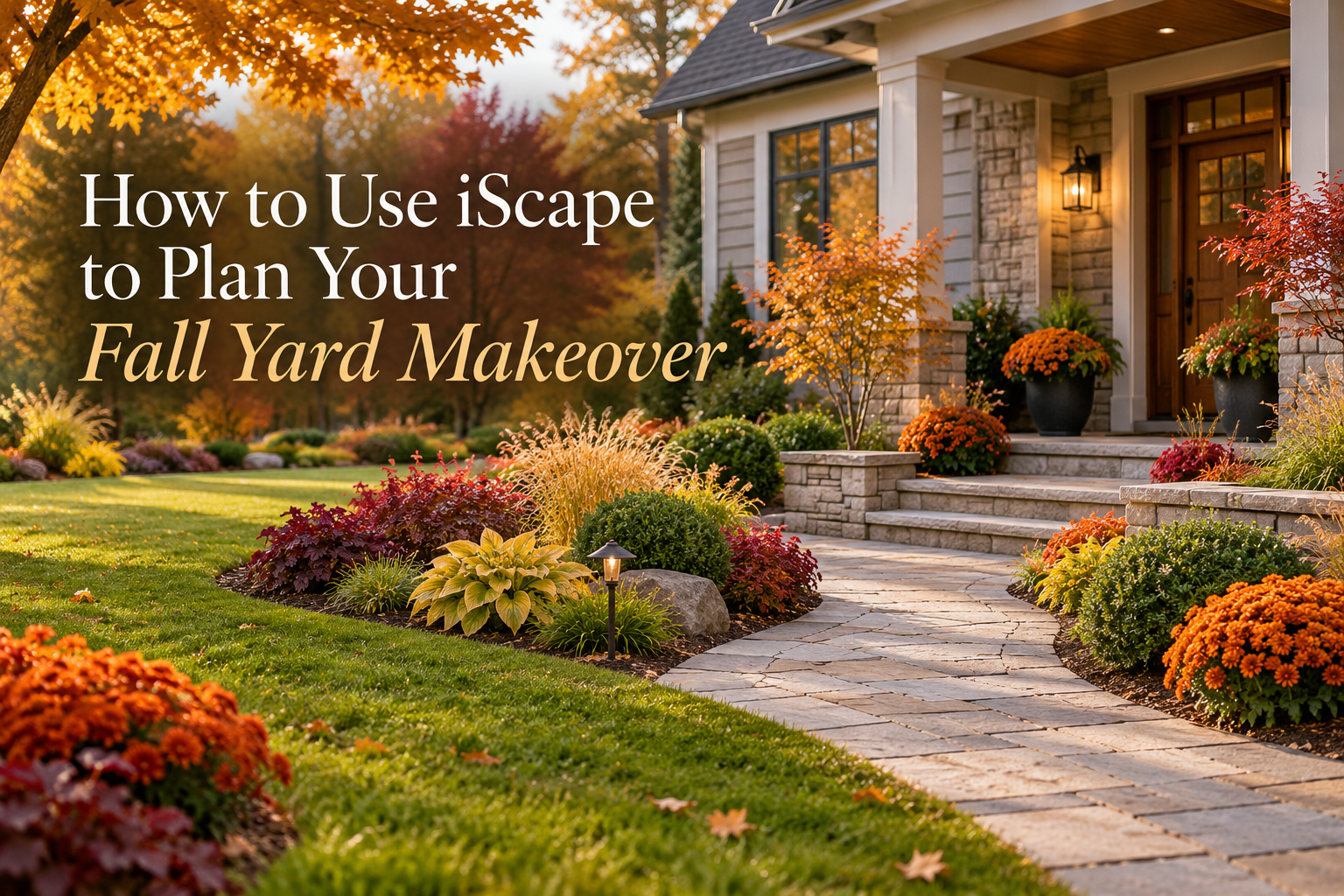
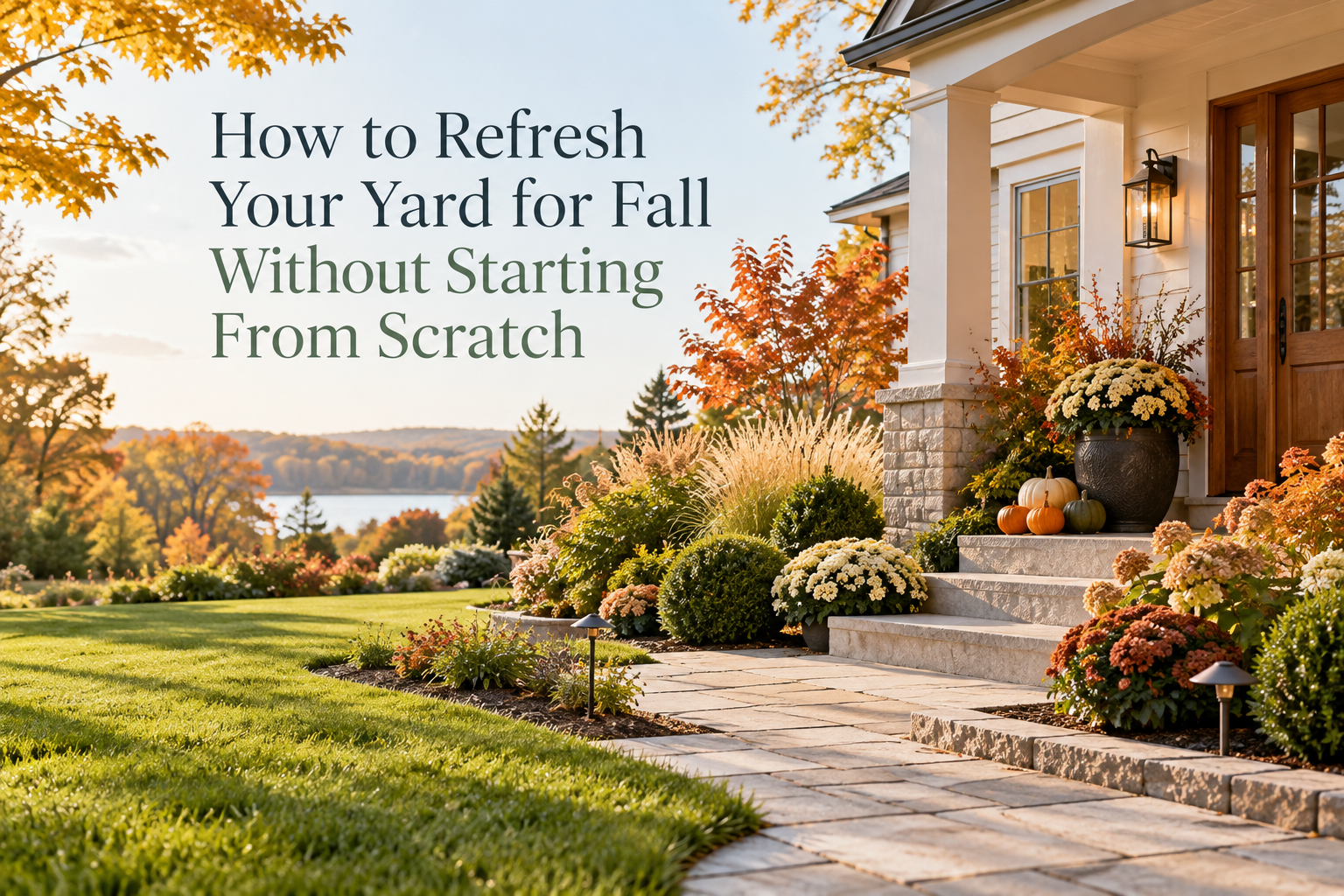
.png)
A Halloween yard does not have to be frightening to be memorable. For families, the best outdoor setups usually do something more useful: they make children curious, give neighbors a reason to stop, create a fun route to the front door, and still allow everyone to move through the yard safely after dark.
You also do not need to cover the lawn with inflatables or completely hide your landscaping. With pumpkins, lighting, fall plants, simple interactive features, and a few well-placed decorations, your existing front yard can become part of the Halloween experience. Here is how to create a Halloween yard that feels festive, family-friendly, and thoughtfully designed.
1. Choose a Fun Theme Instead of a Scary One
Start with one clear idea. For younger children, themes based on imagination usually work better than realistic horror. Consider:
- Friendly ghosts
- Pumpkin patch
- Enchanted garden
- Cute monsters
- Witches' garden
- Woodland Halloween
- Harvest night
- Not-so-spooky graveyard
You do not need dozens of themed decorations. A "pumpkin patch," for example, could simply combine clustered pumpkins, hay bales, warm lanterns, mums, and a small sign.
An enchanted garden might use existing shrubs, glowing lanterns, oversized mushrooms, stars, or friendly ghosts tucked among plants. A clear theme keeps the yard cohesive and prevents it from becoming a collection of unrelated Halloween items.
For more general seasonal inspiration, see iScape's guide to Halloween Front Yard Ideas to Make Your Home Stand Out.
2. Turn the Walkway Into Part of the Experience
For trick-or-treaters, the pathway is not just a way to reach the door. It is part of the Halloween experience. Make the route obvious and inviting. You could place:
- Small pumpkins along the edges
- Battery-powered lanterns
- Friendly ghost figures
- Low pathway lights
- Seasonal planters
- Decorative signs
- Pumpkin faces that point toward the entrance
But keep decorations off the actual walking surface. Children may be wearing masks, long costumes, or unfamiliar shoes, and many visitors will arrive after dark. Pay particular attention to:
- Steps
- Changes in elevation
- Tight turns
- Uneven paving
- Driveway crossings
- Porch edges
Decorating should never make the route harder to understand. This same principle applies beyond Halloween. iScape's guide to 8 Landscape Design Mistakes That Make a Yard Harder to Use explains why circulation and clear movement should be considered before decorative elements are added.
3. Create a Pumpkin Patch Instead of Scattering Pumpkins
Pumpkins are family-friendly, easy to recognize, and useful well beyond Halloween night. But instead of placing single pumpkins all over the property, create one strong grouping. Good locations include:
- Beside the front steps
- Near a large tree
- At a walkway turn
- Beside the porch
- In an unused corner of a planting bed
Mix different sizes, shapes, and colors. Orange pumpkins can be combined with white, pale green, or smaller decorative varieties to make the arrangement visually richer. Add mums, ornamental grasses, or hay bales if they suit the overall design. Grouping everything together gives children a clear "pumpkin patch" moment while keeping the rest of the yard relatively uncluttered.
4. Make Existing Plants Part of the Decoration
You may already have much of the scenery you need. Shrubs, trees, ornamental grasses, and planting beds can become natural backgrounds for Halloween decorations. For example:
- Place friendly ghosts between shrubs.
- Position pumpkins underneath a tree.
- Put small lanterns among ornamental grasses.
- Add oversized decorative eyes to a hedge.
- Hang lightweight bats from suitable branches.
- Place a witch's hat or playful sign among fall plants.
This usually looks better than placing every decoration in the middle of the lawn. Plants create depth, which makes simple props feel more integrated into the yard. Just avoid attaching decorations in ways that damage bark, branches, or plant stems.
5. Use Lighting to Make the Yard Feel Magical
Lighting can transform a relatively simple family Halloween setup. The objective should be visibility plus atmosphere, not darkness for the sake of being scary. Begin with functional lighting. Make sure visitors can identify:
- Walkways
- Steps
- The front door
- Changes in level
- Driveway edges
Then add decorative lighting selectively. Try:
- Warm lanterns beside pumpkins
- Uplighting on one tree
- Small lights beneath shrubs
- Battery-powered candles
- Warm string lights around a porch
- A soft spotlight on the main display
Avoid turning every feature into a separate brightly lit focal point.
A few highlighted areas with darker space between them create much more depth.
If seasonal decorating makes you realize your permanent outdoor lighting needs improvement, check out How to Plan Landscape Lighting Before Plants & Hardscape covers pathway visibility, fixture placement, plant growth, and lighting zones in more detail.
6. Create One Interactive Halloween Station
Children are more likely to remember something they can interact with than another row of decorations. Pick one area and turn it into an activity. Ideas might include:
- Pumpkin voting: Display several carved pumpkins and let visitors choose their favorite.
- Photo spot: Create a simple backdrop with pumpkins, hay, fall plants, or friendly ghosts.
- Halloween guessing game: Fill a clear container with wrapped candy and invite children to guess the number.
- Character corner: Create a scene around one friendly skeleton, witch, ghost, or monster.
- Pumpkin hunt: Hide a few clearly visible mini pumpkins around a designated section of the yard for children to spot.
Keep activities away from driveways, streets, delicate planting beds, and places where children would need to climb or leave the main visitor area. One well-designed activity is usually enough.
7. Make the Front Door the Main Destination
The yard should naturally lead visitors somewhere. For most homes, that destination is the front door. You can make the entrance feel special using:
- A Halloween wreath
- Two coordinated planters
- Pumpkin groupings
- Lanterns
- Seasonal flowers
- Friendly character decorations
- A simple welcome sign
Use different heights instead of placing everything along the ground. For example, combine tall ornamental grasses or branches with medium-height planters and low pumpkins. This creates a layered composition while leaving porch steps usable.
8. Use Fall Plants That Still Look Good After Halloween
One of the easiest ways to get more from your Halloween setup is to use landscaping elements that can remain after October 31. Depending on your climate, seasonal planting options may include:
- Mums
- Asters
- Pansies
- Ornamental kale
- Heuchera
- Ornamental grasses
- Sedges
Combine these with pumpkins, lanterns, and other natural materials. After Halloween, remove the ghosts, bats, skeletons, or themed signs, and much of the remaining design can continue working as a fall display. That makes the makeover easier to maintain and reduces the amount of decorating you need to redo in November.
9. Create a Kid-Friendly Mini Graveyard
A graveyard does not have to be genuinely scary. For a family-friendly version, keep it playful. Use humorous names, cartoon-style tombstones, smiling ghosts, pumpkins, and soft lighting instead of realistic gore. Limit the graveyard to one defined section of lawn or a planting bed. Three to five grave markers usually create enough of a scene. Position them at slightly different angles and heights rather than creating a perfect row.
Then add a few pumpkins or lanterns around them. Keeping the feature contained makes it feel intentional rather than allowing Halloween decor to take over the entire landscape.
10. Leave Space for Kids to Move
One of the easiest Halloween decorating mistakes is filling every open area because it feels available. Families need open space. If children are likely to gather in the yard, preserve a section of lawn, patio, or driveway where they can comfortably stand without bumping into props. Avoid placing fragile or unstable decorations around:
- Narrow walkways
- Porch landings
- Steps
- Gates
- Driveways
- Areas where groups naturally gather
Negative space also improves the design. When every section of lawn contains a decoration, nothing stands out. Leaving part of the landscape untouched makes your important Halloween features more noticeable.
11. Avoid Decorations That Become Hazards After Dark
Before Halloween night, test your setup after sunset. Walk the same route visitors will use. Look for:
- Extension cords crossing paths
- Decorations sticking into walkways
- Poorly visible steps
- Unstable props
- Low objects that could cause trips
- Decorations that block sightlines near the driveway
- Loose items that could move in wind
If electrical decorations are used outdoors, use products designed for outdoor conditions and follow the manufacturer's installation instructions. Battery-powered lighting can be useful for temporary features where cords would otherwise cross walking areas.
12. Design for Different Age Groups
A family-friendly yard may receive everyone from toddlers to teenagers. You do not need to create a different zone for every age group, but varying the experience helps. Younger children may enjoy:
- Friendly ghosts
- Pumpkins
- Bright characters
- Simple games
- Warm lighting
Older children may appreciate:
- A small mystery element
- Clever skeleton scenes
- A photo area
- Slightly spooky lighting
- Hidden details to discover
The design can feel Halloween-themed without relying on gore or extreme scares.
13. Keep Pets and Everyday Yard Use in Mind
Remember that the yard still needs to function before and after trick-or-treating. Do not block:
- Gates
- Side-yard access
- Mailboxes
- Trash storage
- Outdoor faucets
- Irrigation controls
- Regular pet routes
If you normally use the front or side yard with children or pets, check whether temporary decorations interfere with those routines. A successful seasonal design should work with the landscape rather than making it unusable for several weeks.
14. Plan the Display Before Buying More Decorations
More decorations do not automatically create a better Halloween yard. Before buying anything else, decide where the major features will go. Identify:
- The visitor route.
- The main focal point.
- The interactive area.
- The strongest existing landscape features.
- The areas that need lighting.
- The spaces that should remain open.
If you are considering longer-lasting landscape improvements alongside your Halloween setup, you can also use iScape to test ideas before changing the actual yard. The same approach is useful for larger seasonal projects.
A Family-Friendly Halloween Yard Does Not Need More Stuff
The goal is not to fit the maximum number of Halloween decorations into your outdoor space. Create a clear path. Make the entrance special. Use existing plants as scenery. Add one memorable activity or focal point. Keep lighting warm and useful. Give children enough open space to move safely. Most importantly, design the experience from a visitor's perspective.
When someone approaches the house, they should immediately understand where to walk, what to look at, and where the fun is happening. That is what turns a decorated yard into a Halloween experience. And once Halloween is over, your landscape should still work just as well as it did before.
FAQs
How can I make my Halloween yard fun without making it scary?
Use pumpkins, friendly ghosts, colorful characters, lanterns, fall plants, and simple interactive activities instead of realistic horror decorations.
What is the safest way to decorate a yard for trick-or-treaters?
Keep paths, steps, and entrances clearly visible and free of decorations, cords, and unstable objects. Test the visitor route after dark before Halloween night.
How can I decorate a small front yard for Halloween?
Focus on one strong area such as the porch or entrance. A pumpkin grouping, two seasonal planters, lanterns, and one playful feature can create plenty of impact without filling the entire yard.
How can I make Halloween decorations work with my landscaping?
Use trees, shrubs, beds, and pathways as the framework. Place decorations beside or within existing landscape features rather than scattering them randomly across open lawn.
What Halloween decorations can stay up through fall?
Pumpkins, lanterns, mums, ornamental grasses, fall foliage, neutral wreaths, and seasonal planters can transition easily into a general fall display once Halloween-specific decorations are removed.