


ds.jpg)
Landscaping is one of the few home improvement projects where mistakes are difficult, expensive, and sometimes impossible to reverse. Once soil is moved, concrete is poured, or trees are planted, correcting errors often means tearing things out and starting again. That is why seeing your landscape design before you build anything has become a critical step for homeowners in 2026. It is not about aesthetics alone. It is about clarity, control, and confidence in every decision you make.
Modern landscape visualization tools allow you to understand how your outdoor space will actually function, not just how it might look in your imagination. They transform landscaping from guesswork into a deliberate planning process.
Landscaping Decisions Are Long Term Commitments
Unlike paint colors or furniture, landscape choices evolve over years. Plants grow larger, root systems spread, and hardscape elements interact with weather, water, and soil conditions. When homeowners build without seeing a complete design, they often focus on short term appearance rather than long term performance.
Seeing your landscape design beforehand helps you think beyond the first season. It allows you to evaluate how mature plants will affect shade, privacy, and airflow, and how pathways and patios will handle daily use over time. This long view prevents many of the regrets that homeowners experience a few years after installation.
Visualization Turns Ideas Into Reality
Most landscaping problems begin with assumptions. A patio feels large enough in your head. A tree looks perfectly placed in a sketch. A garden bed seems balanced on paper. These assumptions frequently fall apart when built because human perception struggles with scale and proportion.
When you see your design in a realistic visual format, those assumptions are replaced with clarity. You can assess spacing, balance, and flow in a way that words and drawings cannot provide. This makes it easier to identify areas that feel cramped, oversized, or disconnected before any construction begins.
Avoiding Costly Construction Mistakes
One of the most practical reasons to visualize your landscape before building is financial protection. Changes made during the planning phase are inexpensive. Changes made during construction are not.
Common mistakes that visualization helps prevent include
- Installing patios that do not comfortably fit furniture or foot traffic
- Planting trees too close to structures or underground utilities
- Creating walkways that disrupt natural movement through the yard
- Building retaining walls that interfere with drainage patterns
- Overcrowding plants that compete for space and sunlight
When these issues are discovered early, they can be corrected with a few adjustments to a digital plan rather than expensive physical rework.
Understanding How the Space Will Be Used
A successful landscape is not just visually appealing. It supports how people move, relax, and interact with the space. Seeing the design beforehand allows you to evaluate functionality from a user perspective.
You can ask meaningful questions such as whether seating areas feel private enough, whether paths encourage natural movement, and whether certain areas will be underused. This level of insight is difficult to achieve once construction is complete.
Visualization encourages thoughtful zoning of outdoor spaces so that gardens, play areas, walkways, and relaxation zones work together rather than competing for attention.
Planning for Plant Growth and Maintenance
Plants are dynamic elements, not static decorations. Many homeowners underestimate how much space plants need once mature, which leads to overcrowding, excessive pruning, and eventual replacement.
Seeing your landscape design in advance allows you to plan for growth rather than initial size. You can space plants appropriately, anticipate shade patterns, and reduce long term maintenance demands. This results in healthier landscapes that look intentional rather than overgrown.
Clearer Communication With Professionals
Even when homeowners work with contractors or landscapers, miscommunication is common. Verbal descriptions and rough sketches leave room for interpretation, which often leads to mismatched expectations.
A clear visual design acts as a shared reference point. Contractors understand placement, scale, and intent. Quotes become more accurate, timelines are clearer, and the final result aligns more closely with the homeowner’s vision.
This level of clarity reduces stress on both sides and leads to smoother project execution.
How the iScape App Makes Visualization Practical
Seeing your landscape before building used to require professional software or design services. Today, homeowner focused tools make this process accessible, and one of the most effective options is the iScape app.
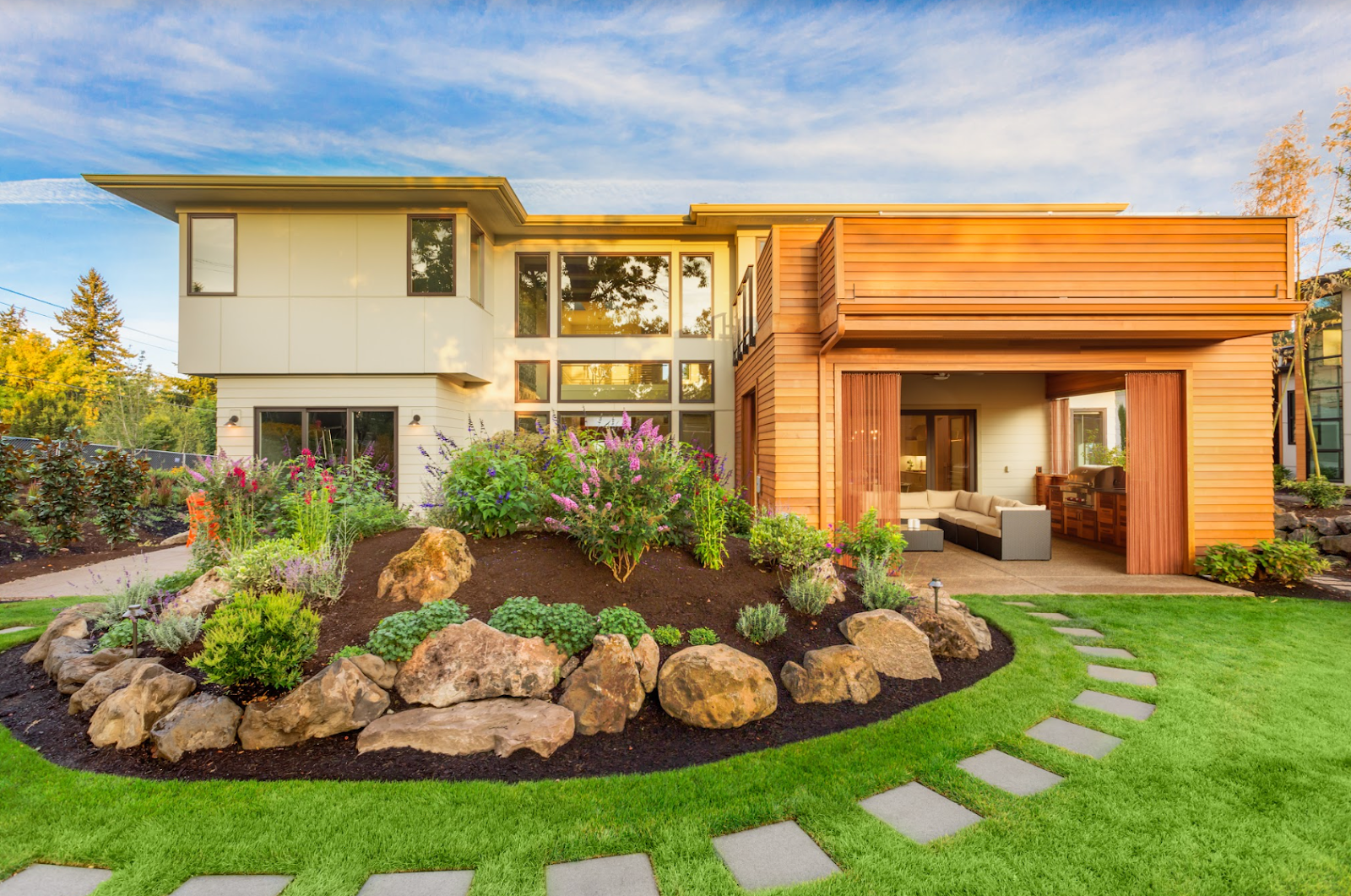
iScape allows homeowners to design directly on photos of their own yard, which removes much of the abstraction involved in traditional planning. Instead of imagining how a patio or planting bed might fit, you see it placed within your real space at realistic scale.
The app supports planning for both softscape and hardscape elements, making it useful for garden layouts, patios, pathways, and overall yard structure. Because designs are built visually, homeowners can test multiple ideas, compare layouts, and refine decisions before committing to construction.
For many homeowners, iScape bridges the gap between professional level planning and everyday usability. Turn ideas into clear visuals. Download iScape on the App Store or Google Play Store and plan your outdoor space before a single step is built.
Better Decisions Lead to Better Landscapes
When you see your landscape design before building, decisions become intentional. You stop reacting to problems during construction and start shaping outcomes during planning. This shift leads to outdoor spaces that feel balanced, functional, and well considered.
The goal is not perfection. The goal is confidence. Knowing how your yard will look and work before any ground is broken gives you control over the process and the result.
Final Thoughts and Call to Action
Building a landscape without seeing it first is one of the most common reasons homeowners overspend, compromise on functionality, or feel disappointed with the final outcome. Visualization is not an extra step. It is a foundational one.
If you are planning any outdoor project, from a small garden update to a full backyard transformation, take the time to see your design before you build anything. Use tools like iScape to explore options, test layouts, and make informed decisions with clarity.
Seeing your landscape first is how you build once and build right. See your landscape before you build. Download iScape on the App Store or Google Play Store today and start designing your front yard now!
.jpg)
.jpg)
