Choosing plants for winter is a foundational part of good landscape design. A yard that looks empty, damaged, or lifeless in winter usually suffers from poor plant selection rather than harsh weather. Winter exposes the true structure of a landscape, making plant choice, placement, and resilience more important than seasonal color alone.
This guide explains how to select plants that survive winter conditions, maintain structure, and support long-term landscape health. It focuses on resilience, biological behavior, and planning principles rather than trends.
Why Winter Plant Selection Matters
Winter removes visual distractions. Flowers fade, growth slows, and weak plant choices become obvious. Plants that are not suited for winter conditions often collapse, expose soil, or fail to recover in spring.
Choosing the best plants for winter gardens helps ensure:
- Year-round structure and visual stability
- Reduced plant loss from frost and freeze-thaw cycles
- Healthier root systems
- Lower spring replacement costs
- Better soil protection and moisture retention
Effective winter yard planning starts with plants that are chosen specifically for winter performance.
What Makes a Plant Truly Winter-Friendly
Not all cold-tolerant plants perform well in winter landscapes. True winter-friendly plants share several core characteristics.
Cold Tolerance
Winter-friendly plants have biological mechanisms that protect cell tissue from freezing damage. These include thicker leaf surfaces, reduced water content, and slower winter metabolism.
Root System Strength
Roots experience more stress than foliage in winter. Plants with deep or fibrous root systems survive freezing soil and repeated thawing far better than shallow-rooted species.
Structural Contribution
In winter, shape matters more than color. Plants that maintain form through evergreen foliage, strong branching, bark texture, or upright stems continue to add visual value.
Low Winter Stress Requirements
Plants that require wrapping, frequent watering, or constant protection increase maintenance and failure risk. Reliable winter landscape plants should survive winter with minimal intervention once established.
What Is a Suitable Winter Plant to Grow During the Cold Season
A suitable winter plant is one that either remains visually present or contributes functional value throughout the cold season.
Evergreen Plants
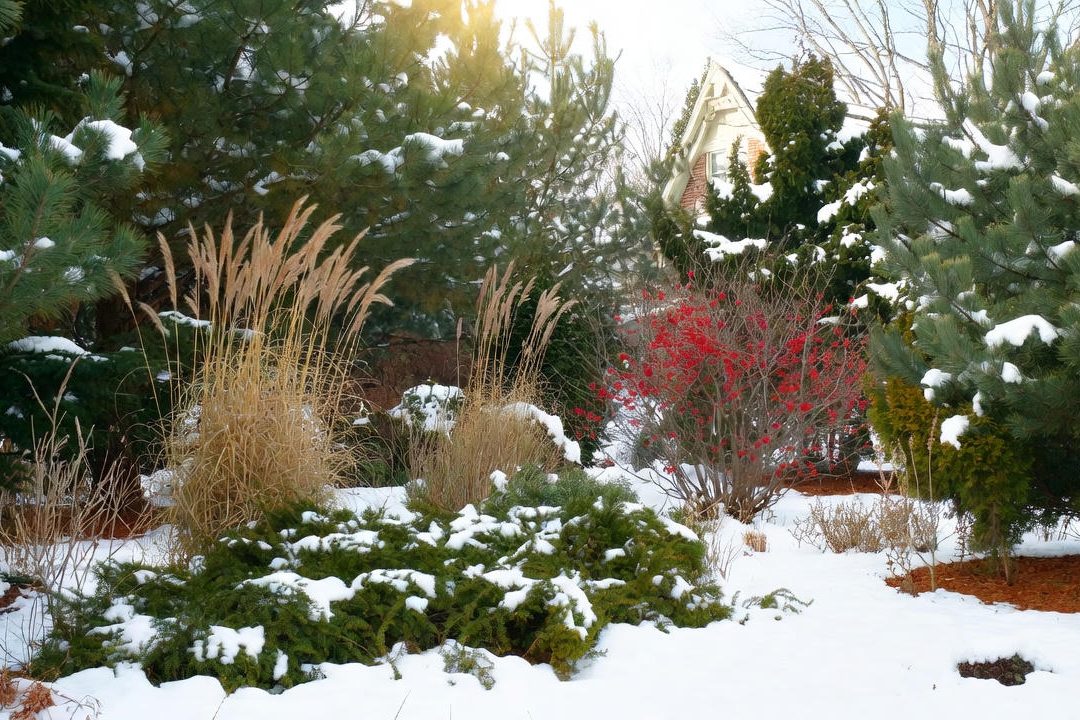
Evergreens form the backbone of winter gardens. They retain foliage year-round and provide stability when deciduous plants lose leaves.
Evergreen plants are suitable for winter because they:
- Maintain color and structure
- Define garden edges and pathways
- Reduce wind exposure
- Protect soil from erosion
- Support winter wildlife
They are essential when selecting the best plants for winter gardens.
Winter-Blooming Plants
Some plants are adapted to bloom in cold conditions. Their flowers develop slowly, making them longer lasting than summer blooms.
Winter bloomers are most effective when used as accent plants rather than primary structure. They work best near entrances, walkways, and windows where they can be enjoyed without prolonged outdoor exposure.
Dormant Structural Plants
Certain plants lose leaves but remain visually important through bark color, branching patterns, or stem structure.
These plants are suitable for winter gardens because they:
- Add contrast to bare landscapes
- Create rhythm through branching form
- Respond well to winter lighting
- Provide berries or seedheads for wildlife
What Plants Can Survive at the Coldest Temperature
Plants that survive extreme cold share specific adaptive traits such as insulated tissues, deep roots, and slow winter metabolism.
Cold-Tolerant Evergreen Shrubs
These shrubs protect internal tissues and limit moisture loss during freezing temperatures.
Common examples include boxwood, juniper, yew, and holly. They maintain shape and color even during prolonged cold periods.
Cold-Hardy Trees
Some trees are naturally adapted to long winters and repeated freeze cycles.
- Birch trees offer bark interest and tolerate severe cold
- Spruce and pine maintain structure under snow load
- Fir trees resist cold air and frozen soil
These trees anchor winter landscapes and protect smaller plants from wind.
Perennials That Survive Below Ground
Some perennials die back above ground but survive winter through strong root systems.
- Hellebores survive frozen soil and bloom early
- Sedum stores moisture in its roots and tolerates freezing
- Coneflower roots remain viable under deep frost
- Ornamental grasses retain crown health
These plants are important components of winter landscape plants, even when not visually dominant.
How Yard Conditions Affect Winter Plant Survival
Plant survival in winter depends as much on site conditions as on plant type.
Sun Exposure
Winter sun increases freeze-thaw stress. Some plants tolerate this well, while others suffer bark splitting or root damage. Shaded areas reduce temperature swings but may increase moisture retention.
Soil Drainage
Poor drainage is one of the most common causes of winter plant failure. Wet soil freezes harder and damages roots more severely than dry soil.
Wind Exposure
Cold wind dries foliage and increases stress. Grouping plants or using evergreen buffers reduces wind damage.
All three factors must be considered during winter yard planning.
How to Build a Balanced Winter Plant Palette
High-performing winter gardens rely on layers rather than a single plant type.
A balanced winter planting includes:
- Evergreen plants for year-round structure
- Winter bloomers for seasonal highlights
- Structural deciduous plants for form
- Textural plants such as grasses and seedheads
- Groundcovers to protect soil
This layered approach ensures visual interest at multiple heights and distances.
Common Mistakes to Avoid When Choosing Winter Plants
Many winter landscapes fail due to planning errors rather than climate conditions.
- Choosing plants only for their summer appearance
- Overcrowding plants and restricting root growth
- Relying heavily on containers without insulation
- Ignoring mature plant size
- Skipping structural plants entirely
Avoiding these mistakes significantly improves winter performance.
How Digital Planning Improves Winter Plant Selection
Visualizing winter conditions before planting helps reduce costly mistakes. Digital planning tools allow you to test spacing, scale, and structure when plants are dormant.
A design my garden app like iScape allows homeowners and professionals to preview winter-friendly plants accurately.
How iScape Supports Winter Yard Planning
- Visualizes evergreen spacing and mature size
- Tests winter plant combinations
- Shows how the yard looks with reduced foliage
- Improves communication with landscapers
- Reduces replanting and redesign costs
This leads to more informed decisions when selecting the best plants for winter gardens.
How iScape Supports Winter Yard Planning
If you want a clearer picture of how your yard can look in winter, iScape helps you visualize changes before you commit.
It can help you:
- Visualize evergreen placement and spacing
- Compare different winter plant combinations
- See the yard with reduced foliage and stronger structure
- Plan scale so plants don’t outgrow the space
- Feel more confident before spending on plants or labor
That makes winter yard planning simpler and reduces the chance of costly rework later.
How to Maintain Winter-Friendly Plants
Even resilient plants benefit from basic winter care.
- Mulching helps regulate soil temperature
- Watering before the soil freezes prevents dehydration
- Avoiding late pruning prevents new growth damage
- Protecting young plants from wind improves survival
Low maintenance is one of the main advantages of well-chosen winter landscape plants. Download iScape on the App Store or Google Play Store today and start designing your front yard now!
Final Thoughts
Winter does not need to be a weak season for your yard. With informed plant selection and thoughtful planning, winter landscapes can remain structured, stable, and visually engaging.
Choosing plants based on resilience, structure, and suitability rather than seasonal appearance alone is the key to long-term success. Smart winter yard planning, combined with proven winter-friendly plants and clear visualization, leads to landscapes that perform well year after year.