Traditional lawns were once the default choice for yards, but many homeowners are now realizing that grass often delivers more work than value. Constant watering, mowing, fertilising, and patching can quickly turn a lawn into a long-term maintenance burden rather than a design feature.
That is why interest in grass alternatives and lawn replacement ideas has grown so rapidly. With better design planning and smarter material choices, you can create a yard that looks cleaner, more intentional, and more visually appealing than turf, while also reducing upkeep.
This guide explores what top-ranking landscape design articles consistently recommend, and answers the most common homeowner question: what to plant instead of grass.
Key Highlights
- Traditional lawns require high water, frequent mowing, and ongoing maintenance
- Grass alternatives can improve visual appeal while reducing long-term upkeep
- Low-maintenance groundcovers create a living lawn look without constant care
- Gravel, mulch, and hardscape options work better than grass in shade or dry areas
- Native plants offer one of the most sustainable lawn replacement ideas
- Mixed landscape designs often look more intentional than full turf lawns
- Planning your layout first helps avoid costly redesigns and spacing mistakes
What to plant instead of grass
Before choosing a replacement, it is important to understand how the space will be used. Grass often fails because it is planted where it cannot survive foot traffic, shade, drought, or poor soil. The best alternatives are chosen based on function first, then appearance.
The most successful lawn replacement ideas fall into four categories:
- Living groundcovers
- Natural materials like stone or mulch
- Hardscape surfaces
- Mixed landscape designs
Below are the seven best-performing options that consistently outperform turf in both looks and longevity.
1. Low-maintenance groundcovers for a living lawn look
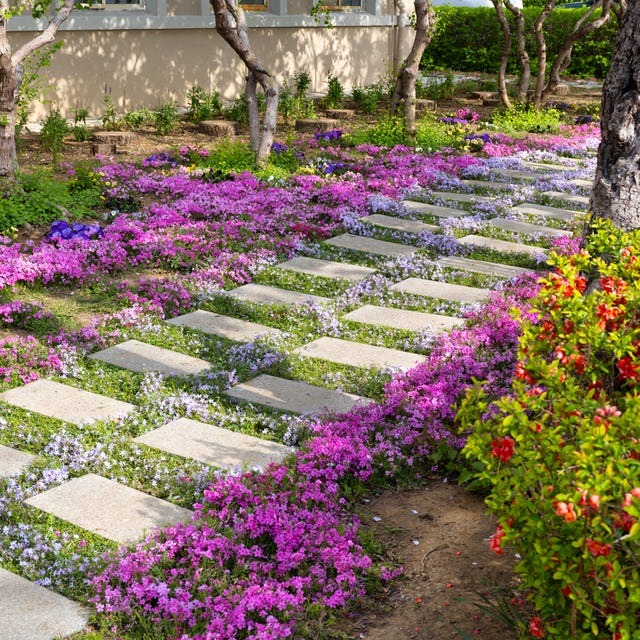
One of the most popular grass alternatives is low-growing groundcover plants. These plants spread horizontally, fill space naturally, and create a green surface without the need for mowing.
Common low-maintenance groundcovers include creeping thyme, clover, sedum, and dwarf mondo grass. Many of these options are drought tolerant and can handle light foot traffic. Some also flower seasonally, adding colour and texture that turf cannot provide.
When planned with proper spacing and edging, groundcovers create a soft, cohesive look that feels intentional rather than wild.
2. Gravel and decorative stone for modern landscapes
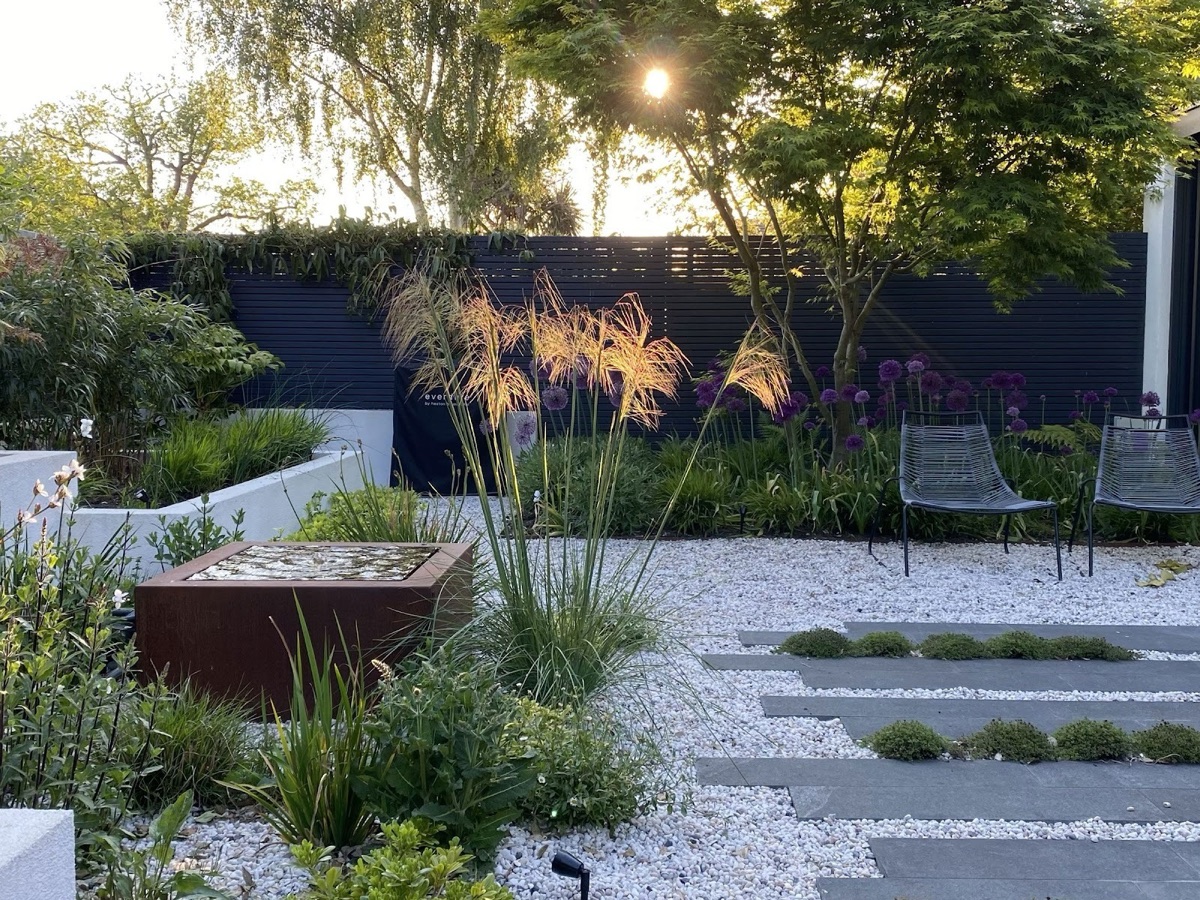
Gravel and stone are ideal lawn replacements for homeowners who prefer a clean, contemporary style. These materials work especially well in dry climates or areas where grass struggles to grow evenly.
Gravel yards look best when designed with structure. Defined borders, stepping stones, and planting pockets help prevent the space from feeling empty or unfinished. From a maintenance perspective, stone eliminates watering, mowing, and patch repairs entirely.
This option is often used in combination with plants to soften the look and add contrast.
3. Mulch and bark for shaded or tree-filled yards
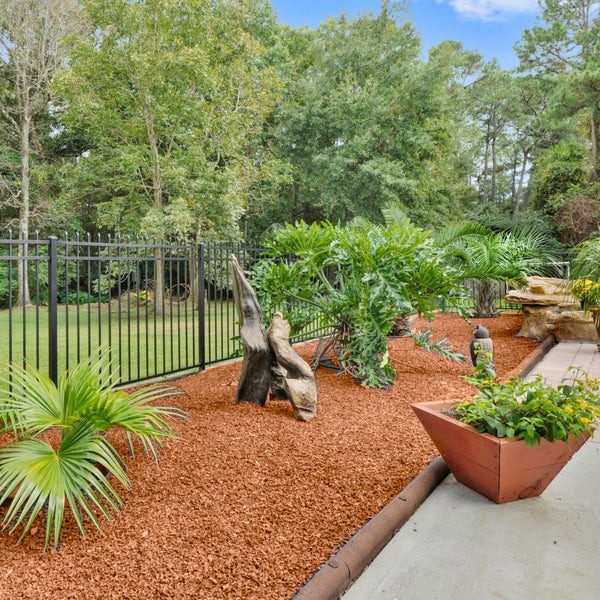
Grass rarely performs well under trees or in deep shade. Mulch and bark are practical lawn replacements in these conditions and add natural texture to the landscape.
Organic mulch improves soil health, retains moisture, and suppresses weeds. Visually, it works best when paired with shrubs, ornamental grasses, or native plants. Clean edges and repeated planting patterns are essential to keeping mulch areas looking designed rather than temporary.
4. Native plants and meadow-style planting
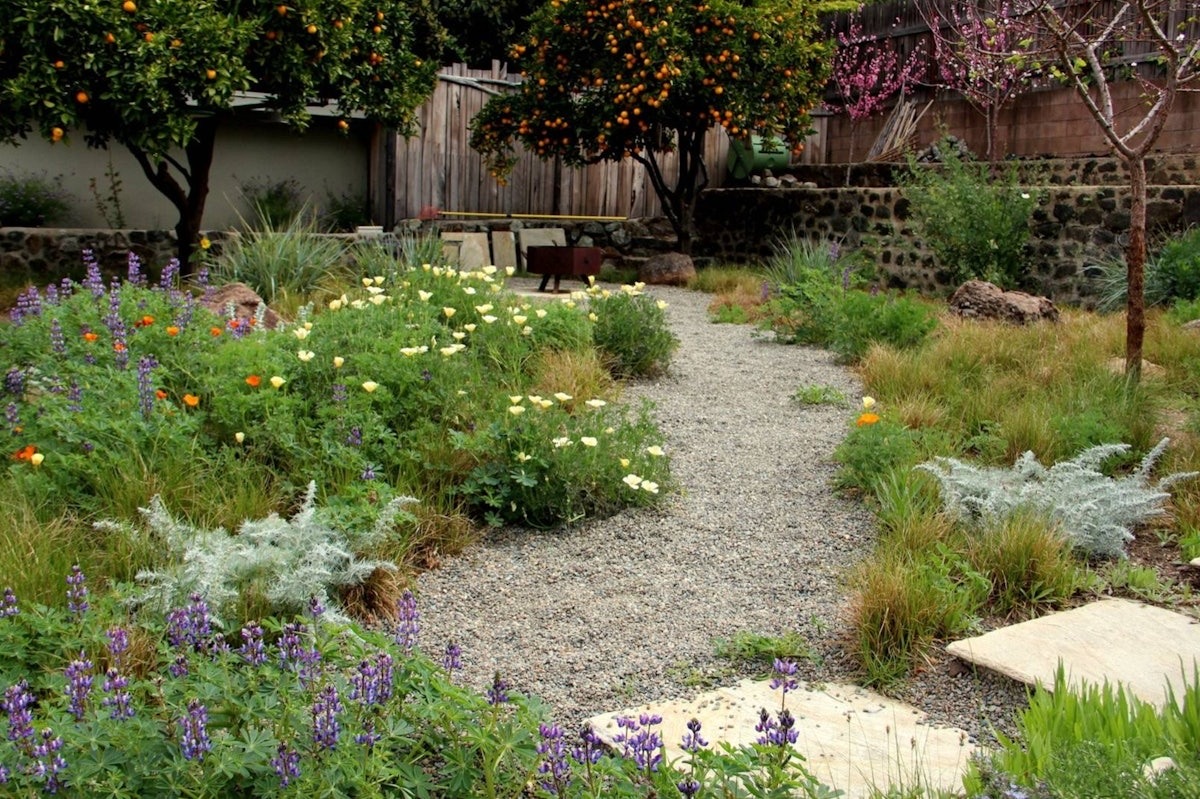
Native planting is one of the most environmentally responsible lawn replacement ideas. These plants are adapted to local climate and soil conditions, which means less water, fewer chemicals, and stronger long-term performance.
Instead of a flat lawn, native planting creates depth and movement. To keep the yard looking tidy, top landscape designers recommend planting in defined groups and maintaining clear boundaries along paths and edges.
This approach creates a natural look without appearing overgrown.
5. Artificial grass for consistent green spaces
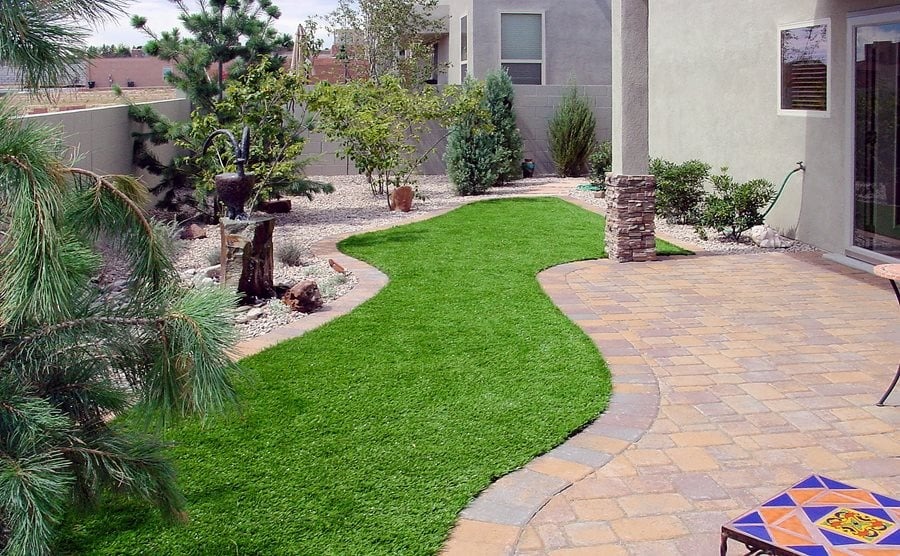
Artificial grass has become a practical option for areas where real grass repeatedly fails. Modern synthetic turf looks far more realistic than earlier versions and works well in courtyards, play areas, and high-use zones.
While artificial grass does not provide the ecological benefits of living plants, it offers visual consistency and eliminates watering and mowing. It performs best when used selectively rather than across the entire yard.
6. Pavers and stepping stones for functional yards
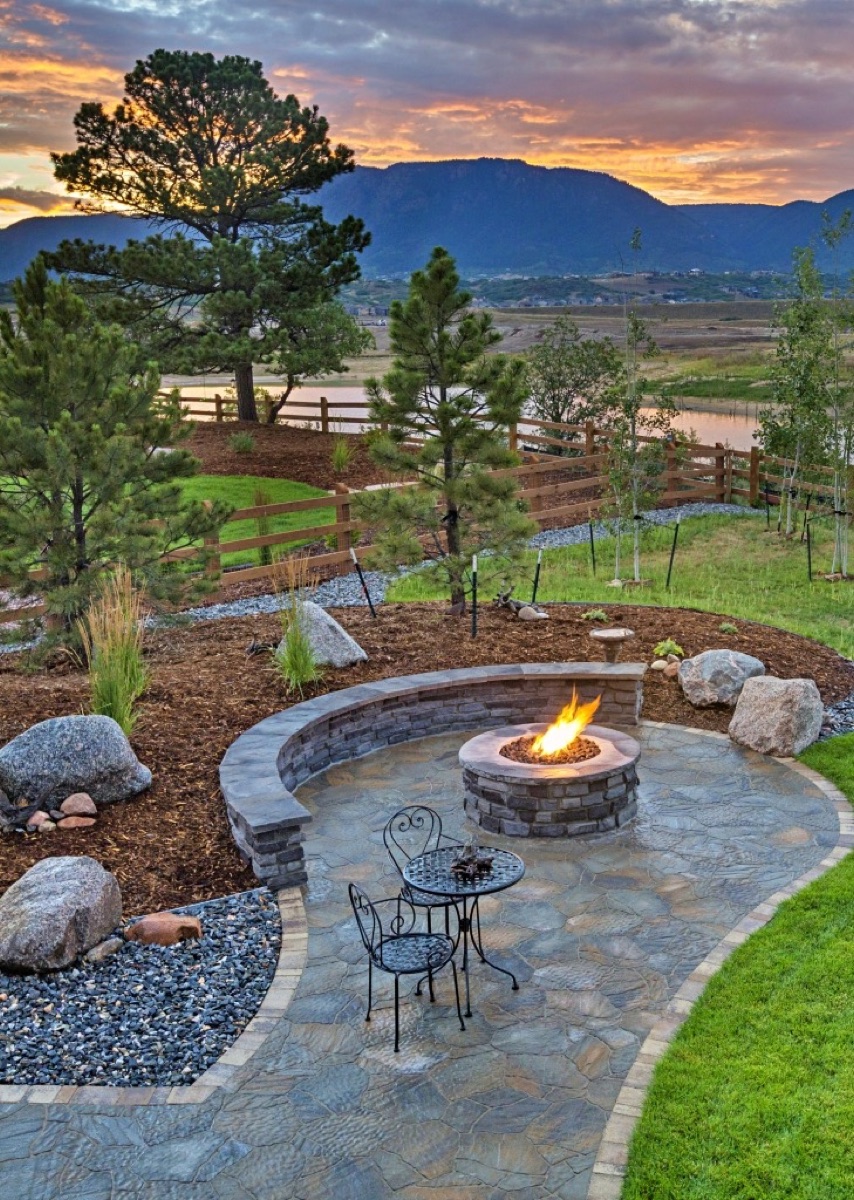
Replacing grass with pavers or stepping stones adds usability to the yard. These surfaces guide movement, reduce wear, and transform unused lawn into functional outdoor space.
Spacing stones with gravel, moss, or groundcover softens the hardscape and improves drainage. This approach is especially effective in high-traffic areas where turf quickly turns patchy or muddy.
7. Mixed designs that combine multiple grass alternatives
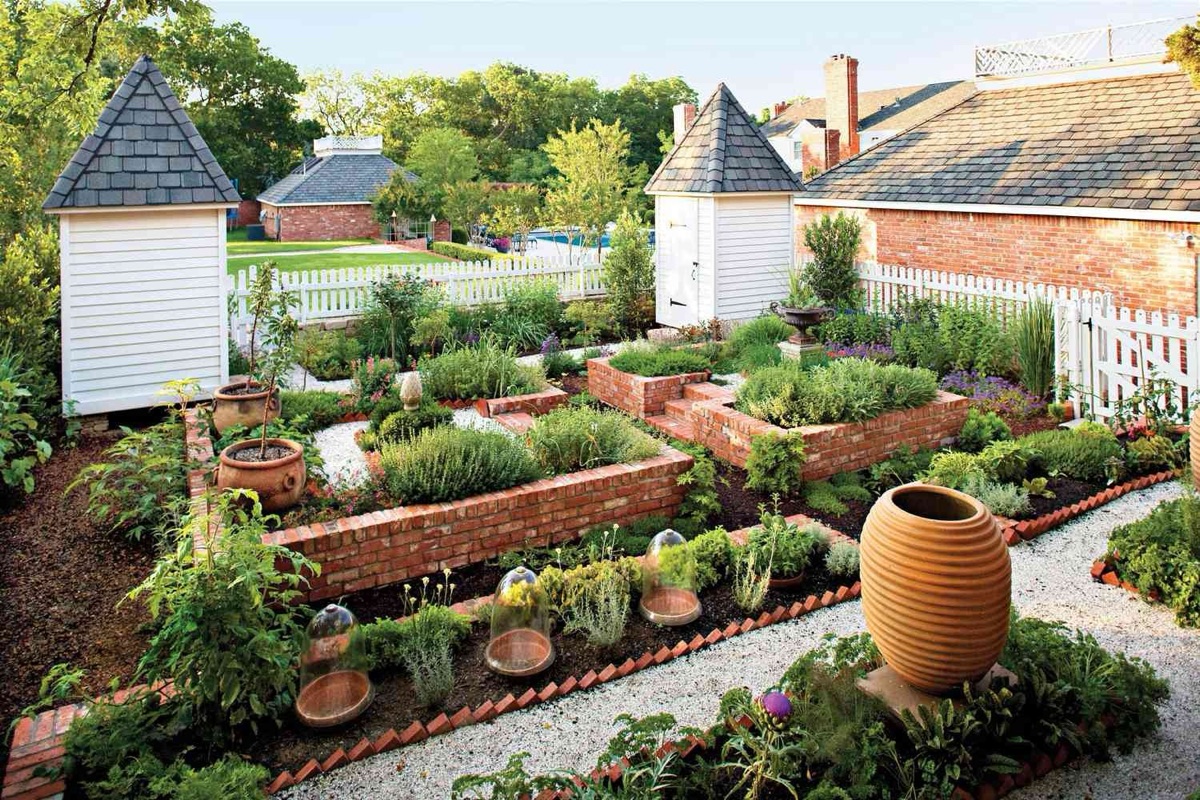
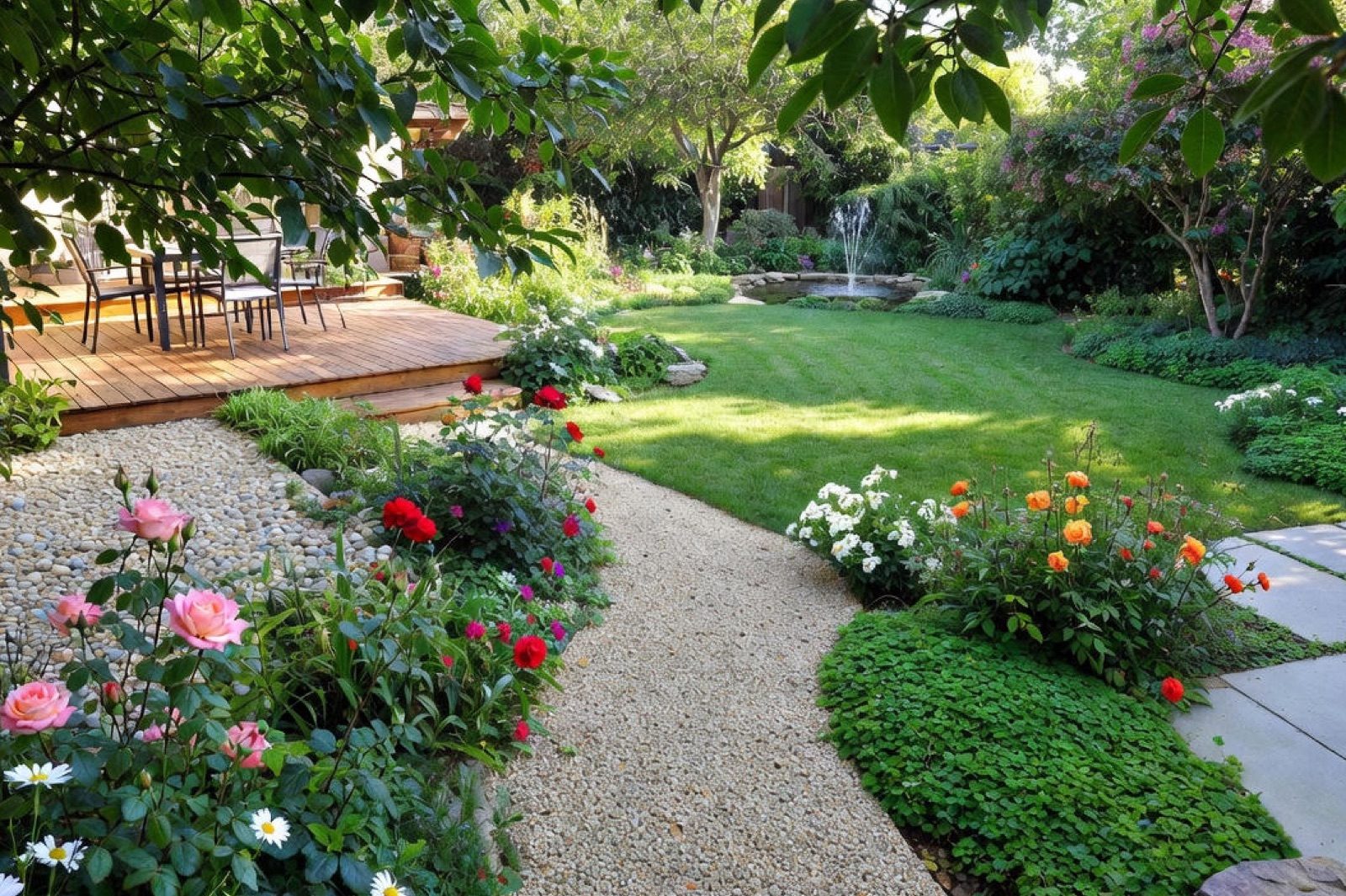
The most visually appealing grass-free yards rarely rely on just one solution. Instead, they combine several grass alternatives, such as groundcovers, stone, mulch, and hardscape.
This layered approach creates contrast, balance, and visual interest while keeping maintenance manageable. It also allows homeowners to design zones for walking, seating, planting, and visual flow.
Why planning matters before replacing grass
One of the biggest mistakes homeowners make is replacing turf without a clear layout plan. Spacing, scale, and proportion matter just as much with alternatives as they do with grass.
Using a landscape planning app helps visualise how different materials work together before installation. Seeing the layout in advance reduces costly changes and ensures the finished yard looks intentional, not pieced together.
Homeowners can explore planning tools designed for this purpose at the iScape App. Download it now.
Final thoughts
Grass is no longer the benchmark for a beautiful yard. With the right lawn replacement ideas, you can design an outdoor space that looks better than turf, performs more reliably, and requires far less effort.
The key is choosing the right materials for your climate and lifestyle, then planning the layout carefully so every element works together.
Design a Better Yard Before You Remove the Grass
Replacing grass works best when you can see the full layout first. Visualise spacing, materials, and plant choices before you build, so your yard looks balanced and intentional from day one. Download iScape on the App Store or Google Play Store today and start designing your front yard now!