


Pruning Hydrangeas the Right Way: Your 2026 Guide to Bountiful Blooms
December 4, 2025
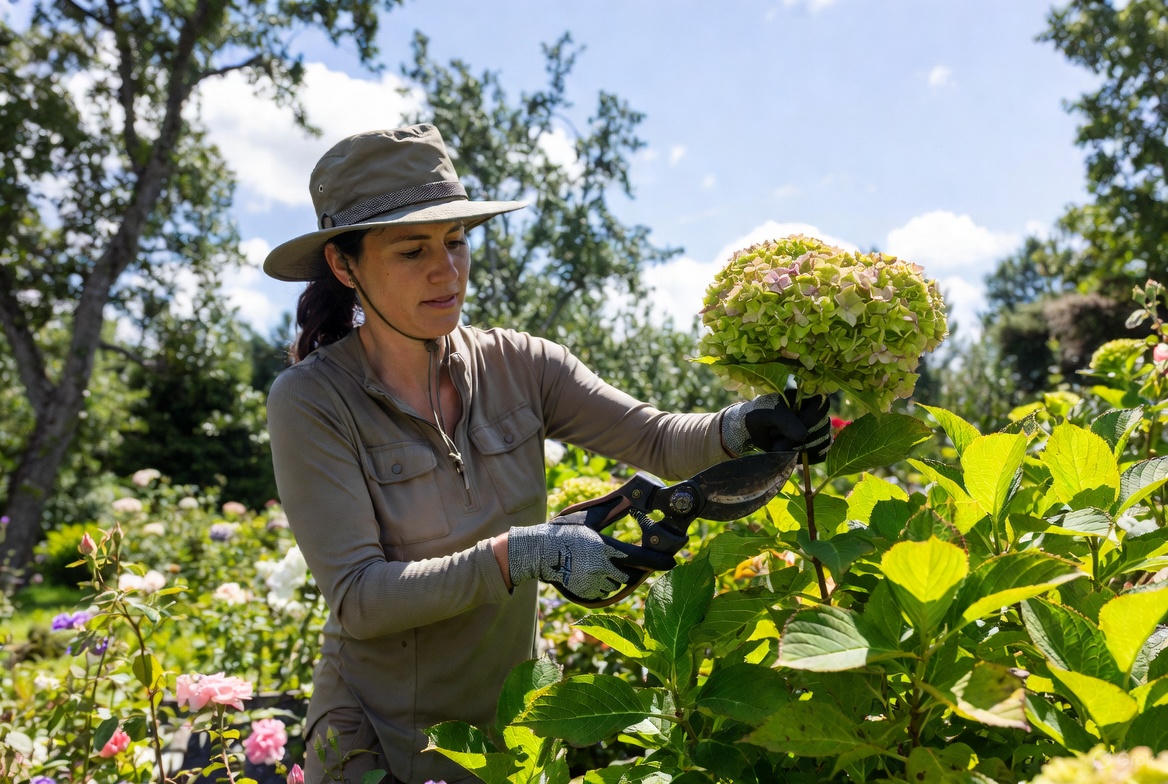
Hydrangeas can dominate a summer landscape with generous flower heads and fresh foliage, but those results depend on pruning that respects how each species sets its buds. Prune at the wrong time and you may remove the very growth that would have flowered next season. Prune with a clear plan at the right time, and you will strengthen the framework, increase flower production, and keep shrubs proportionate to the site for many years.
This guide explains how to identify the common hydrangea groups, when and how to prune each one, how to recover from mistakes, and which aftercare practices protect your investment through winter and into the next bloom cycle. Where it helps, you will also see simple ways to preview height and shape with the iScape app before you make the first cut.
1) Identify your hydrangea before you cut
Hydrangeas fall into two pruning categories that are defined by where the plant carries its flower buds.
- Old-wood bloomers (buds form on last year’s stems):
Hydrangea macrophylla (bigleaf: mophead and lacecap forms, e.g., Endless Summer, Nikko Blue),
Hydrangea quercifolia (oakleaf, e.g., Snowflake, Ruby Slippers),
Hydrangea anomala subsp. Petiolaris (climbing hydrangea).
These set next year’s flower buds soon after the current year’s flowering finishes, so pruning must be completed shortly after bloom. - New-wood bloomers (buds form on the current season’s stems):
Hydrangea arborescens (smooth, e.g., Annabelle, Incrediball),
Hydrangea paniculata (panicle, e.g., Limelight, Little Lime, PeeGee).
These initiate flowering on new growth that emerges in spring, so structural pruning is done while the shrub is dormant in late winter.
If you are unsure: Lightly scratch a stem. Firm, brown, hardened wood is old wood. Fresh green tissue that formed this season is new wood. When in doubt, delay hard cuts until you are certain, because old-wood types pruned in fall, winter, or early spring will often miss the next bloom cycle.
2) The 2025–26 pruning calendar at a glance
- Old-wood types (bigleaf, oakleaf, climbing): Prune immediately after flowering, typically July to August, before next year’s buds are fully set.
- New-wood types (smooth, panicle): Prune while dormant in late winter to very early spring. In many regions, this is February to March.
Zone adjustments:
- Colder zones (3–4): Shift late-winter work toward March or early April to avoid early dehardening.
- Warmer zones (8–9): Late-winter pruning often fits in January to early February.
- Coastal or very mild climates: bud formation can begin early on old-wood types, so finish any shaping as soon as flowering winds down.
3) How to prune old-wood bloomers (bigleaf, oakleaf, climbing)
Objective: Preserve next year’s buds, remove weak wood, and maintain a natural outline that suits the site.
Method:
- Wait until flowers fade: In mid to late summer. Work soon after bloom so you do not remove developing buds.
- Deadhead with precision. Follow the spent flower stem down to the first strong pair of buds and cut just above that pair. Those “fat” buds will form next year’s growth and flowers.
- Thin for health: At the base, remove dead canes, rubbing canes, and the thinnest, least vigorous stems to open the plant to air and light.
- Shape lightly: Reduce the length of the most wayward stems, but remove no more than one third of the total plant in a single season. Bigleaf rebloomers often carry a mix of old-wood and new-wood buds, so they favor selective thinning over heavy heading cuts.
- Climbing hydrangea: They require only containment and the removal of dead or crossing shoots after bloom. Avoid aggressive cutting, which can remove the flowering framework.
Cut mechanics: Every heading cut invites branching at the closest pair of buds below it. Make clean cuts just above that pair and avoid leaving stubs, which can invite dieback.
4) How to prune new-wood bloomers (smooth and panicle)
Objective: stimulate strong new shoots that can hold large flower heads without flopping and maintain a balanced framework.
Method for smooth hydrangea (H. arborescens):
- Prune in late winter while the shrub is dormant.
- Cut back hard to 12–24 inches above the ground. This looks severe but produces sturdy, upright new stems.
- Renew the oldest canes by taking about one-third of the oldest stems to the base each year to keep the crown young and productive.
- If you want more height, leave a slightly taller framework and shorten other stems accordingly. New growth typically extends one to two feet in a season, so plan the cut height with the desired final flower height in mind.
Method for panicle hydrangea (H. paniculata):
- Prune in late winter to establish a strong scaffold.
- Shorten last year’s growth by about one-third to concentrate vigor and keep the plant proportionate.
- Thin the oldest interior stems at the base to prevent congestion and to improve air movement.
- For tree-form standards, maintain a clear trunk, then shorten and balance the upper framework evenly.
5) Common mistakes and corrective actions
- Pruning bigleaf in late winter or early spring: This often removes formed flower buds. Do not cut further; support the plant with consistent moisture and mulch, then resume correct after-bloom timing next season.
- Cutting Annabelle types too lightly: Weak, arching stems result. Next late winter, reduce to about 12 inches and renew the oldest canes at the base.
- Leaving dead or crossing wood: Airflow and disease resistance decline. Remove dead and rubbing stems at any time of year and sanitize tools between plants.
- Over-pruning oakleaf: Natural architecture is lost, and flowering diminishes. Restrict work to light shaping and thinning immediately after bloom.
6) Aftercare that maximizes flower quality
- Water management: Hydrangeas prefer steady moisture, especially during bud set and bloom. Water deeply and less often so roots can explore the soil, which improves drought tolerance.
- Mulch: Apply two to three inches of organic mulch, keeping it a few inches back from stems. Mulch moderates temperature swings, reduces evaporation, and suppresses weeds.
- Nutrition: A balanced, slow-release fertilizer in spring suits smooth and panicle types. Bigleaf hydrangeas are sensitive to excessive nitrogen, which drives foliage at the expense of flowers, so use gentle rates and avoid frequent soluble feeds.
- Sun exposure: Morning sun with afternoon shade suits most species. Panicle hydrangeas tolerate more sun; bigleaf often requires more shade in hot climates.
- Support: If heavy bloom and rainfall bend stems, add unobtrusive supports before storms. Review your cut height next winter to improve stem strength.
7) Winter protection for old-wood types
In cold climates, buds of bigleaf and oakleaf hydrangeas can be damaged by freeze–thaw cycles. After the ground freezes, mound leaves or straw around the crown and use a burlap wrap on a simple stake cylinder to buffer wind. Remove covers gradually in spring once the most severe frosts pass. Avoid plastic sheeting, which traps moisture and can cause rot.
8) Flower color notes for bigleaf hydrangeas
Bigleaf bloom color relates primarily to soil pH and available aluminum rather than to pruning. Acidic conditions often produce blue tones, while neutral to slightly alkaline soils tend toward pink. Adjust pH slowly with appropriate soil amendments and test annually. Pruning governs whether you have flowers to color; pH governs which color you will see.
9) If you pruned at the wrong time
All is not lost. Old-wood shrubs cut out of season will usually reset buds later in the summer for the following year. Focus on plant health this season with attentive watering, mulch, and gentle nutrition. Smooth hydrangeas that flopped can be corrected by cutting harder next late winter. Panicle hydrangeas that were reduced too much will rebuild their framework; allow one growing season, and adjust cut height the next winter.
10) Tools, sanitation, and cut quality
Use sharp bypass pruners for living stems, loppers for thicker canes, and a fine pruning saw for old basal wood. Disinfect blades between shrubs with alcohol or a diluted bleach solution to reduce disease transfer. Make decisive cuts at a slight angle just above a healthy bud pair or cleanly at the base when removing entire stems. Avoid crushing tissue or leaving stubs.
11) Plan shape and height before you prune
Before you make the first cut, step back and define the finished outline relative to doors, windows, and walkways. For front-of-house plantings, keep mature height below window sills and clear of paths to reduce future clipping. A simple sketch or a marked photo will help you decide how much to remove and where flower heads should land for best viewing.
Quick Reference: What to prune and when
- Bigleaf (H. macrophylla, old wood): Prune right after bloom; deadhead to the first strong buds; thin weak or crossing stems; limit shaping to one third of the plant.
- Oakleaf (H. quercifolia, old wood): Prune right after bloom; preserve natural form; remove dead or crowded stems.
- Climbing (H. anomala, old wood): Prune after bloom only to direct growth and remove dead wood.
- Smooth (H. arborescens, new wood): Prune in late winter; reduce to 12–24 inches; renew oldest canes at the base.
- Panicle (H. paniculata, new wood): Prune in late winter; shorten last year’s growth by about one third; thin the oldest interior canes for vigor.
FAQs
Can I prune hydrangeas in the fall to tidy them before winter?
Avoid fall pruning on old-wood types, because you will remove buds that were set after summer bloom. You may remove spent blooms on new-wood types, but leave structural pruning for late winter while plants are dormant.
Do I have to prune every year?
New-wood species benefit from annual late-winter pruning because it renews vigorous flowering stems. Old-wood species often need only light deadheading and occasional thinning after bloom to maintain health and proportion.
How can iScape help before I prune?
Photograph the shrub from curb height, open the image in iScape, and sketch your target outline or place a few reference objects such as windows, railings, and nearby shrubs. This quick mockup helps you choose a realistic cut height and confirm the plant will finish at a scale that suits the facade, which reduces trial-and-error cuts in the yard. Download iScape on the App Store or Google Play Store today and start designing your front yard now!
How hard can I cut Annabelle-type hydrangeas?
Reducing smooth hydrangea to about 12 inches in late winter is standard practice and produces strong, upright growth with full flower heads. Pair this with renewal of the oldest basal canes each year.
Final Words
Correct hydrangea pruning is a matter of identification, timing, and clean technique. Confirm which group you are growing, schedule cuts in the correct window, and make deliberate, sanitary cuts that either renew growth or preserve next year’s buds. Pair that work with steady moisture, seasonal mulch, and modest nutrition, and you will enjoy fuller, longer-lasting displays through 2025 and 2026 and for many summers after that. If you want a quick visual plan before you start, preview height and spread on a photo of your home in iScape so your first cut is the right cut.
Download iScape on the App Store or Google Play Store today and start designing your front yard now!


