Winter gardens can look beautiful, structured, and modern when designed thoughtfully. With the right plants, materials, colors, and lighting, your outdoor space can become a sophisticated retreat that feels alive even in the coldest months. Modern winter landscapes rely less on flowers and more on form, texture, structure, and light, making them both low-maintenance and visually striking. This guide brings together the best modern winter garden ideas and planning insights to help you upgrade your landscape with confidence.
How to Have a Beautiful Winter Garden
A beautiful winter garden blends four key elements: structure, texture, seasonal interest, and lighting. When combined well, these elements ensure your outdoor space looks intentional rather than dormant. A beautiful winter garden is built on four foundational pillars:
- Structure – Evergreen shapes, pathways, hardscaping, and silhouettes
- Texture – Grasses, seedheads, bark, foliage variation
- Seasonal Interest – Flowers, berries, stems, and wildlife activity
- Lighting – Warm, strategic illumination that defines the garden at night
When these four elements work together, your garden stays attractive during the entire winter season.
1. Build Structure With Evergreens
Evergreens form the skeleton of winter garden design. In winter, when most plants die back, evergreens maintain their structure, defining the garden’s layout and adding clarity to the landscape.
What Evergreens Do for Winter Gardens
- Provide reliable color when the rest of the garden goes dormant
- Maintain visual boundaries
- Add height, depth, and proportion
- Create strong focal points
- Help balance the minimalist aesthetic of modern landscapes
Types of Evergreen Structure to Incorporate
- Hedges: Perfect for defining pathways or creating privacy
- Topiary Forms: Ball, cone, spiral, and column shapes fit modern aesthetics
- Low Evergreen Mounds: Provide rhythm and repetition
- Tall Narrow Forms: Add verticality in compact spaces
Modern designers often mix evergreen forms to create visual architecture that stands strong throughout the year.
2. Add Winter-Blooming Plants for Seasonal Color
Color in winter is subtle but highly impactful. Even small clusters of winter-blooming plants can soften the garden’s architecture and bring warmth to cold landscapes.
Recommended Winter Bloomers
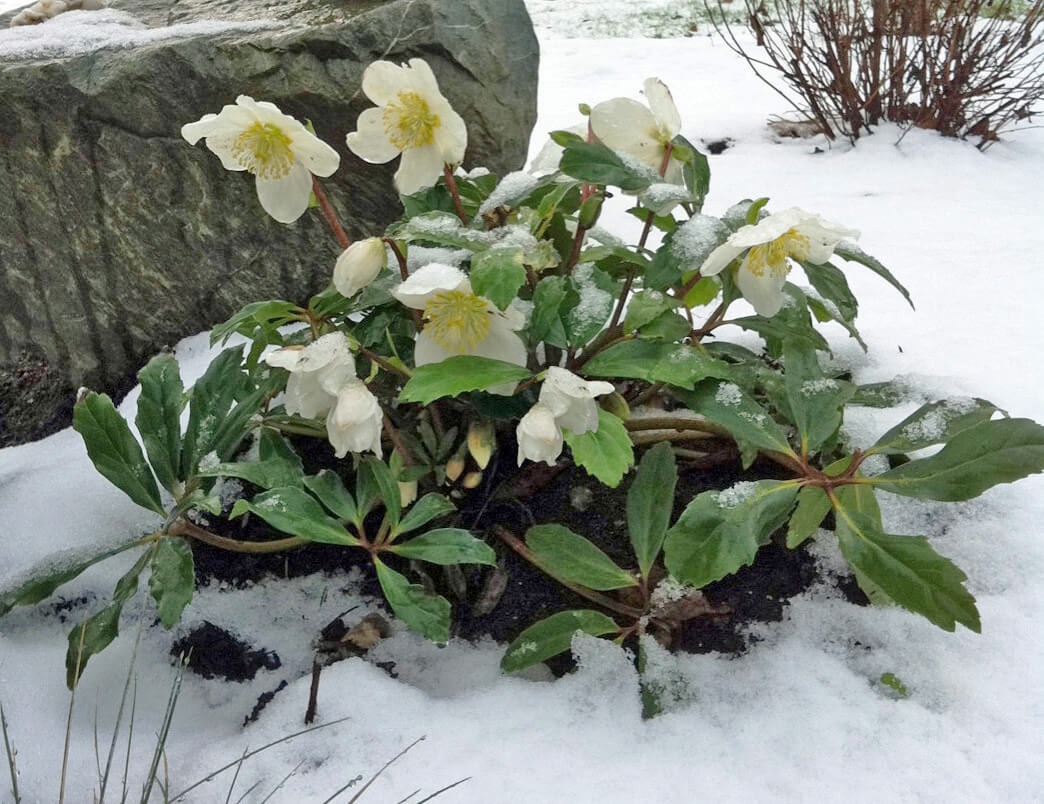
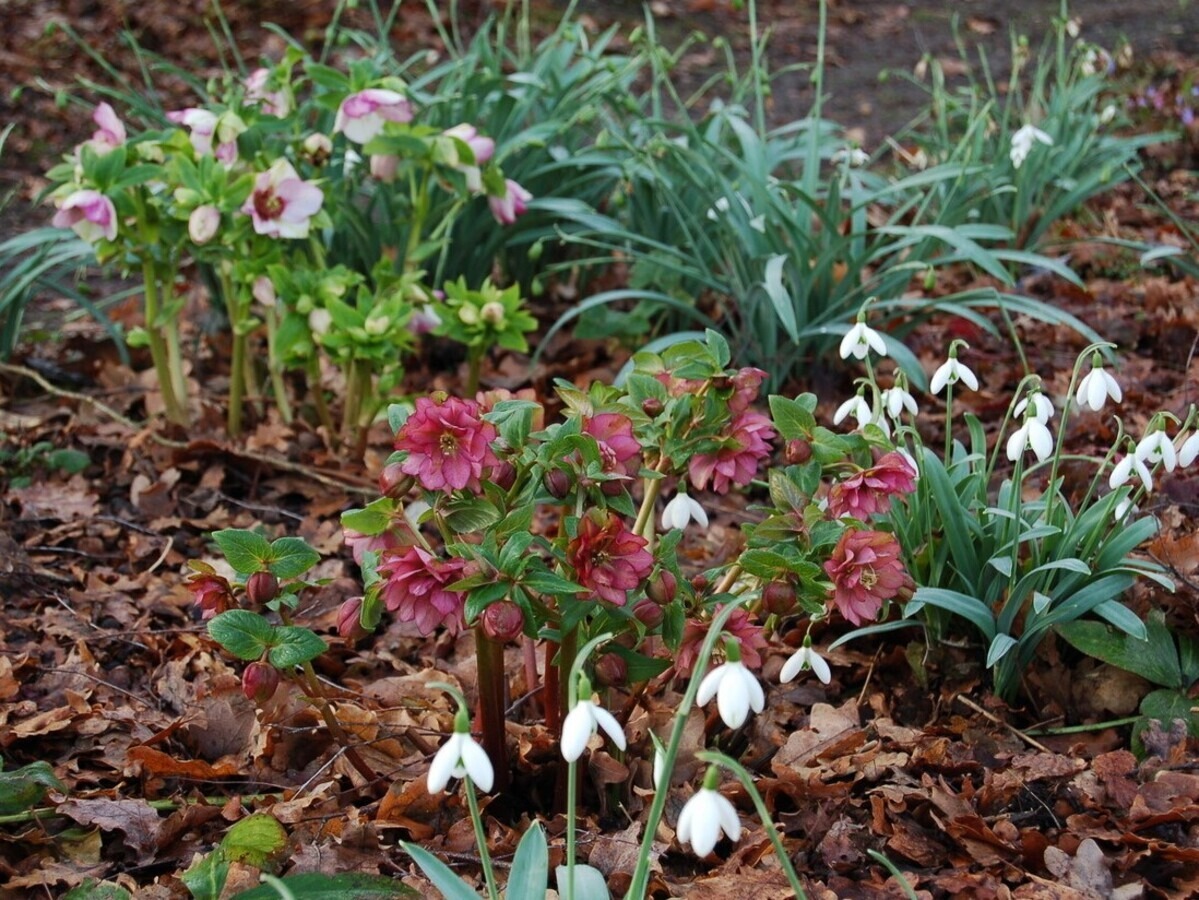
- Hellebores – Long-lasting blooms in muted purples, greens, and whites.
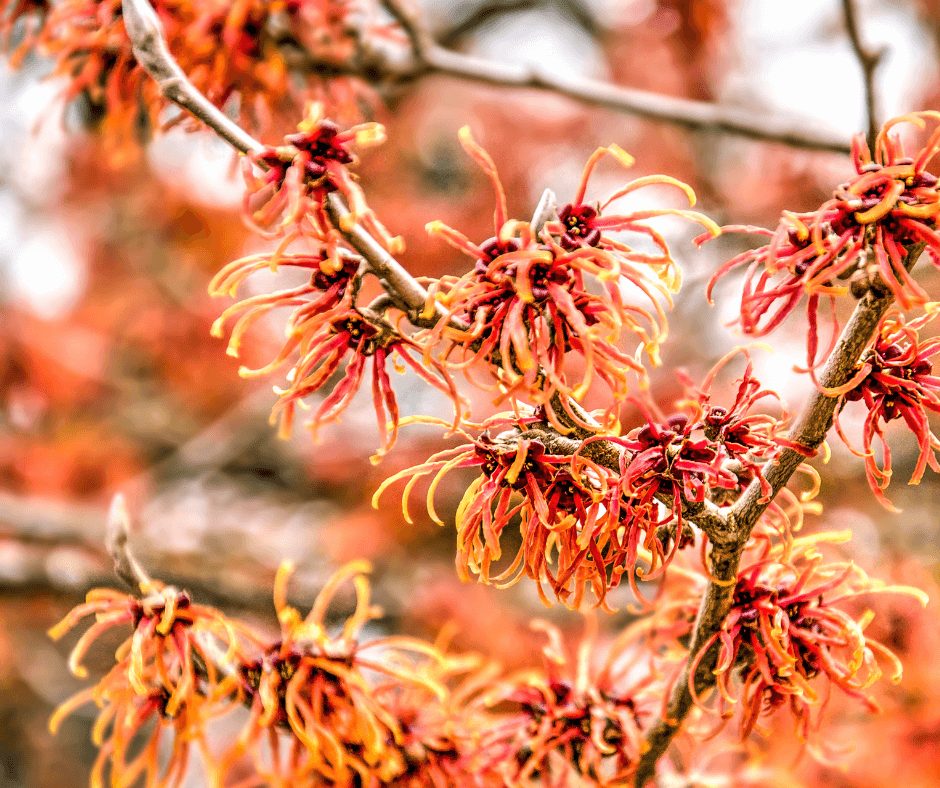
- Witch Hazel – Fragrant ribbon-like flowers that bloom on bare branches.
- Camellias – Their bold blooms stand out against deep green foliage.
- Heather – Provides long-lasting color through the winter months.
- Winter Jasmine – Offers cheerful early yellow blooms.
Placement Tip
Place winter bloomers where they can be appreciated up close—along pathways, near entrances, or outside frequently used windows.
3. Use Ornamental Grasses for Texture and Movement
Even when dormant, grasses add soft, sculptural beauty. Their golden, feathery forms create visual movement, especially on windy winter days.
Popular choices include fountain grass, feather reed grass, and blue fescue. They pair well with modern materials like stone, steel, and concrete.
Texture is one of the most valuable design tools in winter. Ornamental grasses retain their form, producing soft movement and sculptural shadows even after they dry.
Benefits of Grasses in Winter
- Add feathery texture
- Create movement when wind passes through
- Catch frost beautifully for shimmering morning interest
- Pair well with modern materials like concrete, steel, and gravel
Grasses like feather reed grass, fountain grass, and blue fescue offer reliable winter structure.
Seedheads That Work Well in Winter
- Hydrangea heads
- Coneflower and Rudbeckia seed heads
- Sedum clusters
- Allium dried globes
Leaving seedheads standing instead of cutting them back preserves winter habitat and enhances visual appeal.
4. Elevate Your Space With Modern Hardscaping
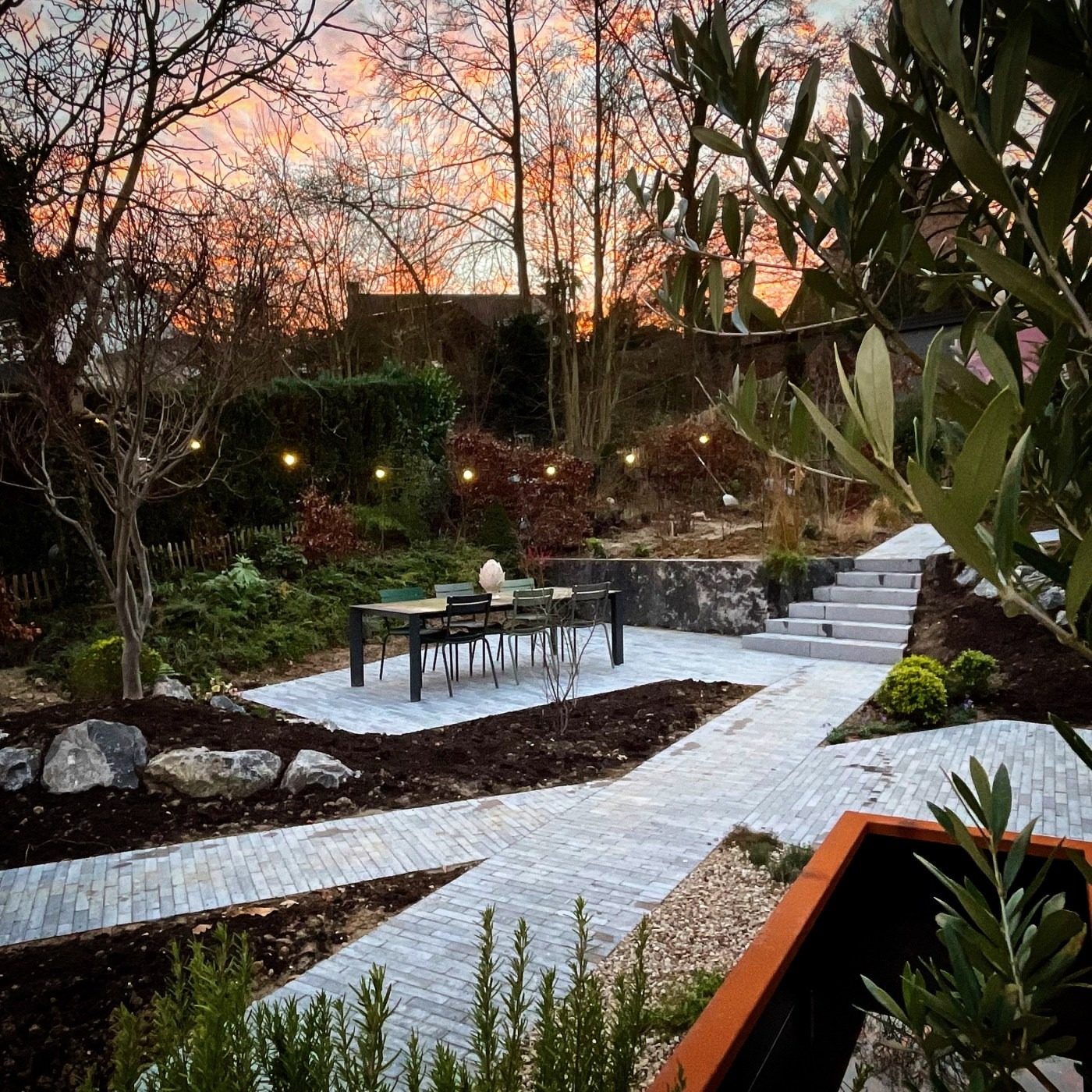
Modern winter gardens rely heavily on clean, structured hardscaping. With much of the planting dormant, the lines and materials of the garden become the dominant visual elements.
Hardscaping Ideas to Consider
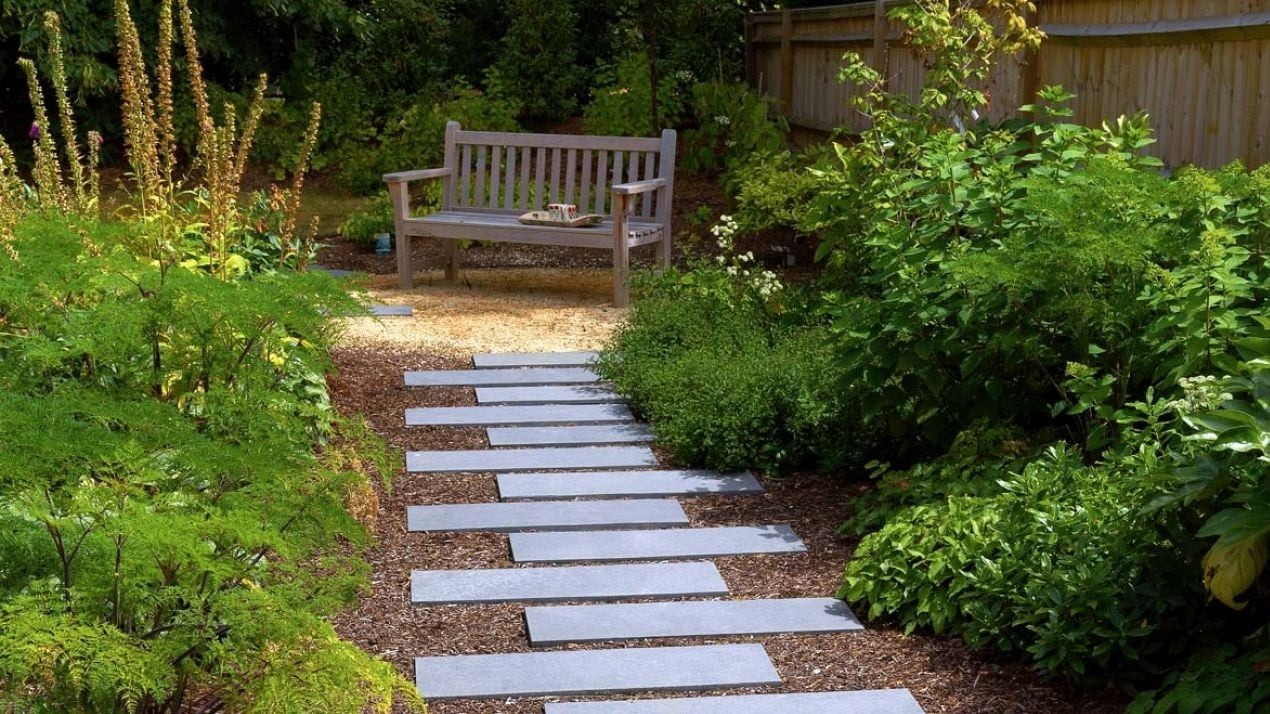
- Stone or poured concrete walkways
- Raised planters with angular designs
- Gravel beds with crisp edging
- Composite or timber decking with minimal detailing
- Privacy screens made from metal or slatted wood
Why Hardscaping Stands Out More in Winter
Winter simplifies the landscape, allowing materials, shapes, and contrast to become more noticeable. Good hardscaping is what gives a winter garden its modern, architectural feel.
5. Try Modern Winter Container Garden Ideas
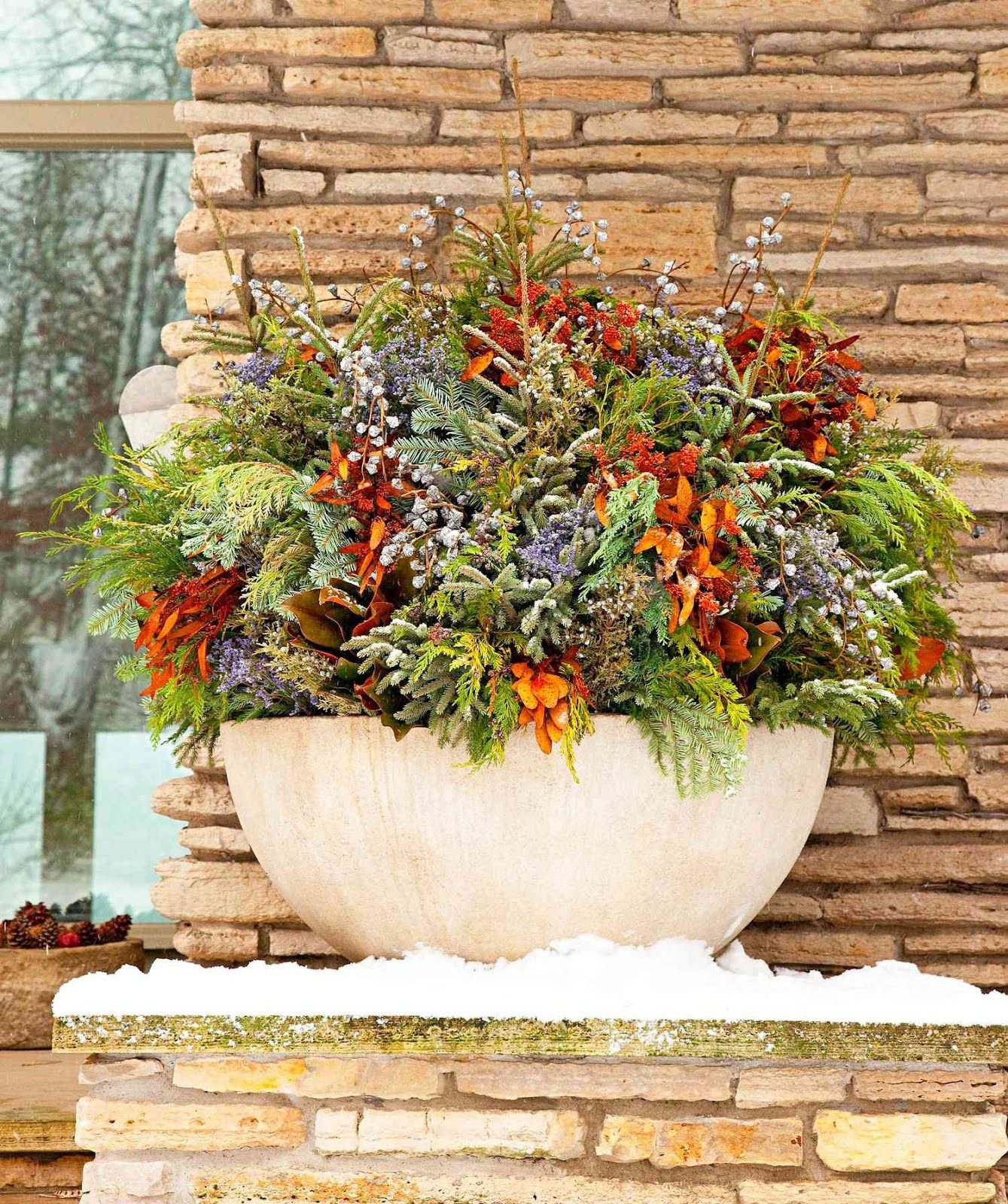
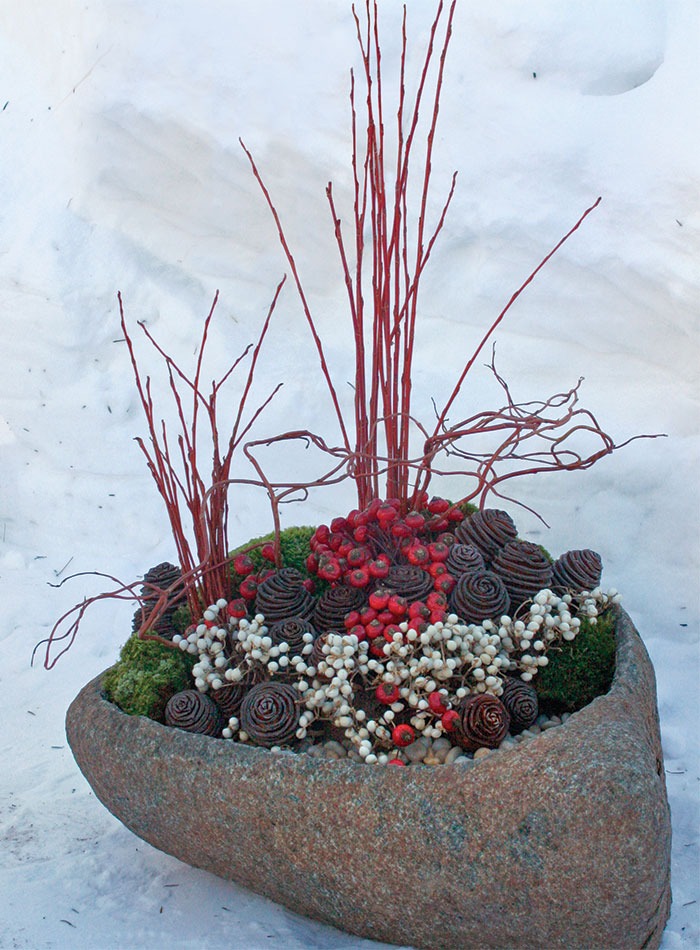

Containers offer instant winter interest and can be updated seasonally without redesigning your entire garden.
What to Include in Winter Containers
- Dwarf conifers for evergreen structure
- Winterberry stems for seasonal color
- Ornamental cabbages for texture
- Eucalyptus for fragrance and height
- Birch logs or pine cones for a natural, rustic accent
Containers made of concrete, metal, or matte finishes work best for a modern look.
6. Highlight Your Garden With Winter Lighting
Lighting is one of the most transformative winter design tools. During winter, when evenings start early, the right lighting extends outdoor visibility and enhances mood.
Lighting Enhancements
- Warm LED pathway lighting to guide movement
- Uplighting on trees to highlight structure
- Lantern clusters for soft ambient glow
- String lights under pergolas
- Spotlights aimed at sculptures or architectural plants
Expert Tip
Choose warm lighting rather than cool white tones—warm light creates a more inviting winter ambience.
7. Add a Cozy Winter Seating Space
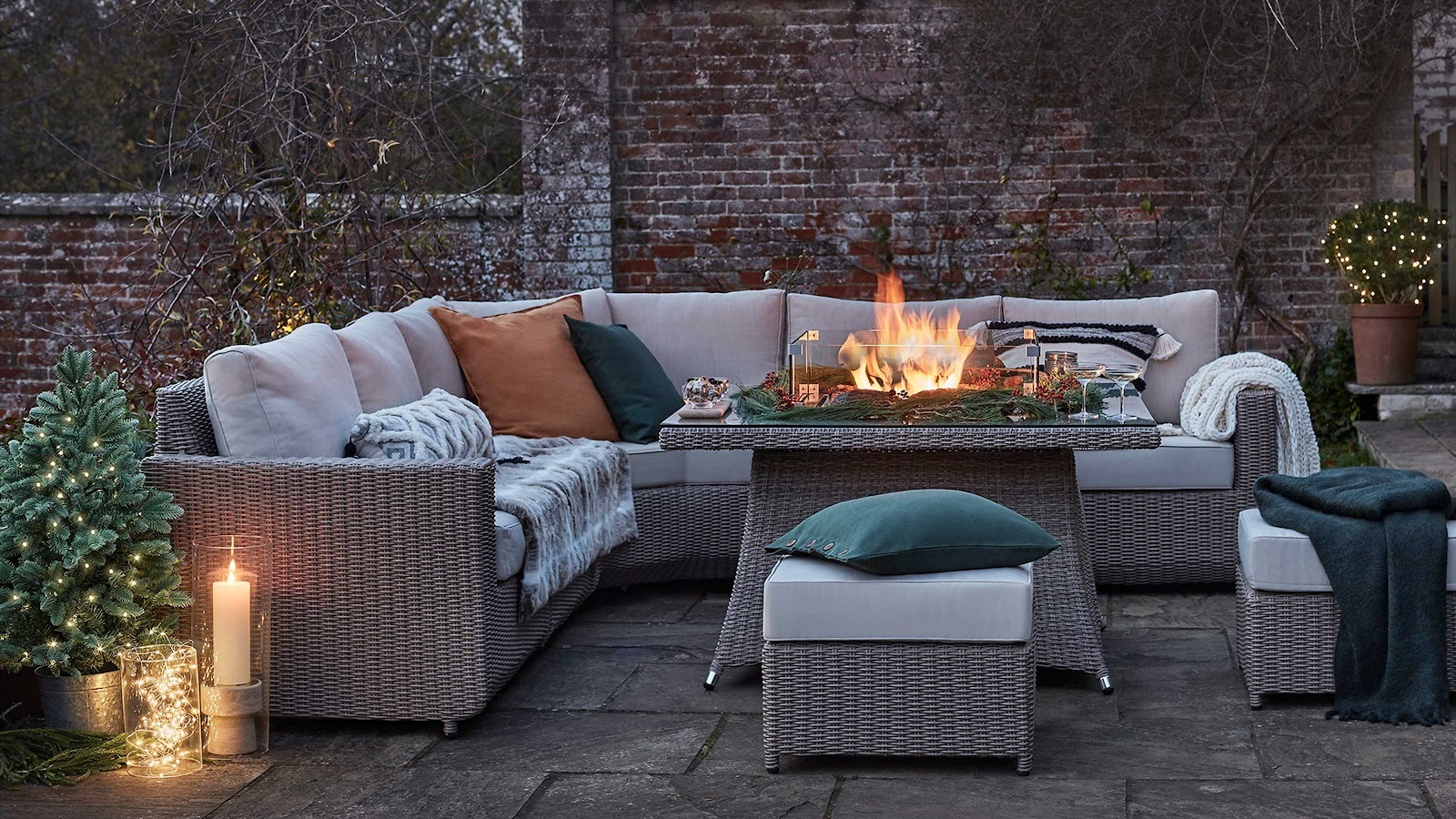
Modern winter gardens often include outdoor living zones that remain functional through cold months. With the right setup, your garden becomes a usable extension of your home.
Consider Adding
- A fire pit or outdoor heater
- Weather-resistant lounge furniture
- Cushions and throws designed for outdoor winter use
- Windbreak screens made of hedges, slats, or glass
- A pergola or canopy for overhead shelter
Even a small corner can become a cozy winter retreat if thoughtfully designed.
8. Showcase Sculptural and Architectural Plants
Winter naturally shifts focus from color to form. Architectural plants bring striking silhouettes, making them essential in modern garden design.
Excellent Plants for Winter Shape
- Japanese Maple – Elegant branching structure
- Birch – Distinctive white bark adds brightness
- Agave – Bold, sculptural form
- Yucca – Spiky, modern shape
- Red Twig Dogwood – Vibrant red stems for winter contrast
Placement Tip
Position these plants where low winter sun or outdoor lighting can accentuate their form.
9. Plan Ahead With Thoughtful Winter Project Planning
Winter is one of the best times to plan major garden upgrades. Because plant growth is minimal, the structural gaps and design opportunities become clearer.
Projects Well Suited for Winter Planning
- Pathway or patio redesign
- Hardscaping and edging improvements
- Deck or pergola upgrades
- Lighting installation
- Garden bed restructuring
- Modernizing the overall layout
- Preparing materials for spring planting
Using winter for planning leads to faster, more efficient spring installation.
10. Use Digital Tools Like iScape to Visualize Your Winter Garden
Designing a winter garden becomes much easier when you can preview ideas digitally.
Tools like iScape help you plan, design, and visualize your landscape before making changes. With drag-and-drop plants, containers, materials, and lighting, you can experiment with different winter layouts without any guesswork.
Why Use iScape?
- It supports digital landscape design with accurate visuals.
- Helps you test modern hardscaping, plant placement, and winter color schemes.
- Ideal for homeowners wanting clarity before beginning a project.
- Built for designers as well, iScape for landscaping professionals offers advanced tools for client-ready presentations and project planning.
Designing a winter garden becomes significantly easier when you can preview ideas digitally. This eliminates guesswork and ensures that design decisions enhance the garden’s structure, scale, and year-round usability.
iScape is a powerful tool for this purpose.
Why Use iScape?
- Supports digital landscape design with high-accuracy visuals
- Helps you plan modern winter garden ideas in a real-world view
- Allows experimentation with plant placement, materials, lighting, and textures
- Simplifies communication between homeowners and designers
- Reduces costly redesigns by showing results before installation
For Professionals
iScape for landscaping professionals includes advanced tools for:
- Client-ready design presentations
- Scalable project planning
- Efficient workflow and collaboration
Explore it here → iScape for Landscaping Professionals
Digital planning is one of the most efficient ways to ensure your garden design is cohesive and modern before spring arrives.
FAQ
How can I make my garden look beautiful in winter?
Use evergreens for structure, add winter-flowering plants, create modern hardscaping, and incorporate lighting and containers for seasonal style.
What are the easiest modern winter garden ideas to start with?
Try winter containers, pathway lighting, and evergreen borders.
Which plants add the most winter interest?
Hellebores, Camellias, Witch Hazel, ornamental grasses, and Red Twig Dogwood.
Why is winter good for garden planning?
You can clearly see structural gaps, plan upgrades, and use digital tools to design changes before spring.
How does iScape help with winter landscape design?
It lets you visualize concepts, avoid costly mistakes, and plan modern winter garden layouts easily.