


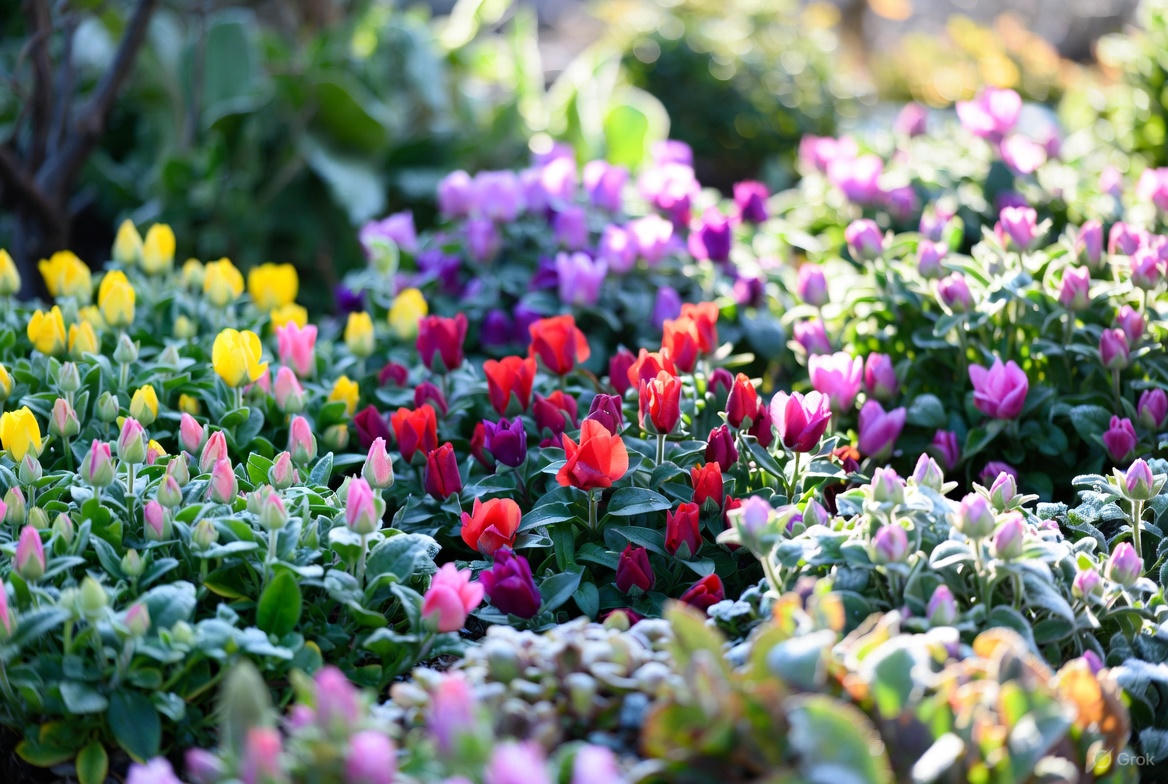
Winter does not have to flatten your garden into browns and grays. With the right mix of plants, you can keep bloom, berries, bold stems, and evergreen structure in view with very little work. This guide explains which plants actually perform in cold weather, how to place them so color shows from the street, and the simple care that keeps everything tidy until spring. If you like to plan a photo before you buy, you can try iScape’s homeowner workflow to preview placements in your own yard and save a materials list.
What makes a good winter plant
- Proven hardiness in your zone. Check the plant tag or a trusted database against your USDA zone.
- Visible winter interest. Flowers are great, but colored stems, berries, and evergreen foliage carry just as well.
- Simple upkeep. Aim for plants that need seasonal mulching, modest water once established, and light pruning at the right time.
Winter Bloomers That Ask For Very Little
- Hellebores (Helleborus orientalis and hybrids)
These perennials flower from late winter into spring with long-lasting cups in white, pink, plum, and green. Give part shade, well-drained soil, and a light mulch. Each year, remove old foliage in late winter so the new flowers show cleanly. - Winter jasmine (Jasminum nudiflorum)
Bright yellow stars appear on leafless green stems in mid to late winter. It handles poor soil and slopes, and it needs only a light trim after flowering to keep its shape. - Heather (Erica carnea)
One of the easiest true winter bloomers. It prefers full sun and sharp drainage, then rewards you with weeks of color. Shear lightly after bloom to keep it compact. - Camellia sasanqua and Camellia japonica (mild zones)
Glossy evergreen shrubs that bloom in late fall through winter in warmer regions. Plant in acidic, well-drained soil with morning sun or dappled light, mulch yearly, and prune lightly after flowering. - Pansies and violas
Cool-season workhorses that flower through light frosts. They are perfect near the entry or in porch containers where reflected warmth helps during cold snaps. Deadhead as needed.
Color Without Flowers
- Winterberry holly (Ilex verticillata)
A leafless shrub loaded with red berries that hold into winter. Plant a female with a compatible male for fruit set. It tolerates wet soil and looks strong in sun or part shade. - Redtwig or yellowtwig dogwood (Cornus sericea, C. sanguinea)
Grown for vivid stems that glow in winter light. In early spring, remove a third of the oldest stems to the base to keep new, brightest growth coming. - Heuchera (coral bells)
Semi-evergreen foliage in ruby, lime, caramel, and near-black tones. Use it as edging or in containers. Provide part shade, good drainage, and a yearly top-up of compost. - Nandina domestica (choose sterile cultivars where required)
Foliage shifts to red and bronze in cold weather and holds well through winter. It is drought-tolerant once established and needs only light shaping. - Ornamental cabbage and kale
Big rosettes intensify to white, pink, and purple as temperatures drop. Ideal for pots or front-of-bed accents and only occasional watering.
Fragrance And Structure That Lift The Season
- Sarcococca (sweet box)
A shade-ready evergreen with small winter flowers that perfume an entry path. Mulch yearly and tidy lightly after bloom. - Mahonia x media
Spikes of fragrant yellow flowers in mid to late winter, followed by blue berries. Architectural foliage adds drama in part shade with little care after establishment. - Evergreen grasses and seed heads
Leave standing plumes of Miscanthus, Panicum, or Pennisetum for movement and texture, then cut back in late winter. In mild zones, many Carex species stay evergreen and catch frost beautifully.
Where To Put Winter Color So It Shows
• Near paths and doors. Place the brightest color within arm’s reach of where people walk and pause. Hellebores, pansies, and winterberry shine at entries.
• In threes for impact. Repeat the same accent plant in at least three spots so the eye connects the display.
• Frame first, then decorate. Use evergreen shrubs or dwarf conifers to outline beds, then drop bloomers and bright stems into those frames.
• Containers for quick wins. Raise pots on feet for drainage, use a “thriller, filler, spiller” mix, and group near the house for a small warmth boost.
Simple Care Plan That Really Is Low Maintenance
- Soil and mulch
Before planting, work in compost to improve drainage. Maintain a two to three-inch mulch layer through winter, but keep mulch off crowns and trunks. - Water
Water new plants until the ground freezes. Established plantings usually need only occasional deep watering during winter dry spells, especially in windy sites that dry soil faster. - Pruning
Remove dead or storm-damaged wood anytime. Prune spring bloomers after they flower. For dogwoods grown for stems, thin the oldest canes in early spring to refresh color. Cut ornamental grasses in late winter before new growth appears. - Containers
Use frost-resistant pots with drainage holes. Raise on pot feet, water in the morning before freezing nights, and move the most tender mixes closer to the house during severe cold.
Quick Regional Palettes To Copy
- Cold northern zones
Redtwig dogwood for stems, winterberry holly for berries, hellebores near the path, heuchera for foliage color, and a few evergreen grasses for height. - Mid-Atlantic and lower Midwest
Erica carnea, heather for bloom, hellebores, and heuchera at the front, boxwood or dwarf conifers for structure, and pansies at the entry. - Mild coastal and southern zones
Camellia sasanqua for flowers, nandina for foliage color, sarcococca for fragrance in shade, and dwarf conifers in porch containers with violas.
Design It First, Then Buy Once
Winter layouts look best when color and structure repeat cleanly from curb to door. If you want to test spacing, scale, and sightlines, open a photo of your front yard in iScape, place plants to scale, and compare two versions before you shop. Download iScape on the App Store or Google Play Store today and start designing your front yard now!
FAQs
Which plants bloom in winter?
Reliable bloomers include hellebores, Erica carnea heather, winter jasmine, and in mild zones, Camellia sasanqua and Camellia japonica. In colder regions, lean on stems, berries, and foliage for color until late winter.
How do I add color to my garden in winter?
Use three layers. First, structure from evergreens or dwarf conifers. Second, color from stems and berries such as redtwig dogwood and winterberry. Third, winter bloomers and container accents near paths for close-up interest.
What are truly low-maintenance outdoor plants for winter?
Choose tough, cold-ready picks such as hellebores, winter jasmine, Erica carnea, sarcococca, nandina (sterile cultivars), winterberry holly, and heuchera. They need modest water once established, seasonal mulch, and light pruning at the correct time.
The Takeaway
A colorful winter garden is very achievable with a small set of proven plants and a simple plan. Combine bloomers with berries, bright stems, and evergreen structure, place color where people actually see it, and follow a light care routine through the cold months. If you prefer to visualize first, plan on a photo with iScape so you buy once and install with confidence. Download iScape on the App Store or Google Play Store today and start designing your front yard now!


